
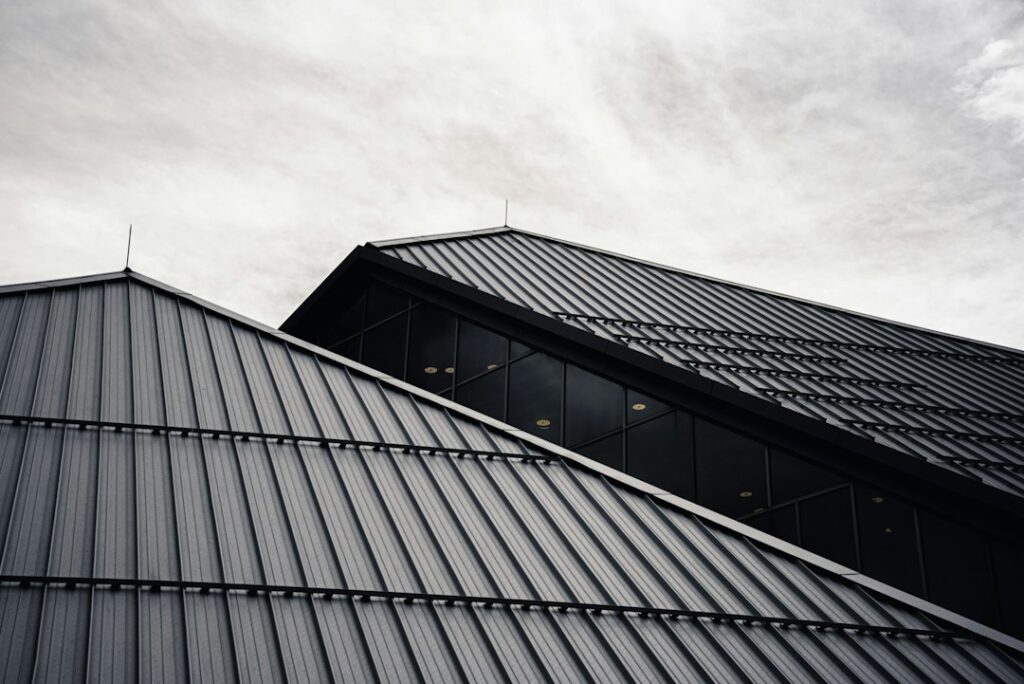
Roofing durability depends on more than the material itself. Climate, roof slope, installation quality, ventilation, maintenance, and exposure to wind and moisture all influence how long a roof remains dependable. For homes in Hudson, NY, the most durable choices are generally standing-seam metal, slate, clay or concrete tile, and high-quality synthetic roofing products. Each has different strengths, costs, structural requirements, and maintenance needs.
What makes a roofing material durable?
A durable roof resists the kinds of damage that occur repeatedly over many years. These may include:
- Freeze-thaw cycles that expand and contract materials
- Heavy rain, ice, snow, and wind
- Moisture trapped beneath roofing layers
- Impact from fallen branches or hail
- Ultraviolet exposure and seasonal temperature changes
- Biological growth such as moss and algae
- Poor ventilation or improperly installed flashing
Durability also means maintaining its protective function, not simply remaining visible on the roof. A material may last for decades but still perform poorly if water is allowed to enter around chimneys, roof valleys, skylights, or wall intersections.
For local homes, a roofing system should be evaluated as a complete assembly. The outer material, underlayment, flashing, fasteners, ventilation, decking, and drainage details all contribute to service life.
Is slate the most durable roofing material?
Natural slate is among the longest-lasting roofing materials available. Properly selected and installed slate can remain functional for many decades, and some roofs last well over a century.
Slate is a dense natural stone that resists fire, rot, insects, and ultraviolet degradation. It also handles snow and rain well when the roof structure and installation details are appropriate. Its appearance changes very little compared with many manufactured products.
The main limitation is weight. Slate is considerably heavier than asphalt shingles and may require a structure designed to support it. It is also brittle under concentrated impact, so walking on it or placing ladders incorrectly can cause damage. Repairs require matching pieces and specialized knowledge because slate varies in thickness, texture, and color.
Slate is best considered during new construction or major roof replacement when the existing structure has been evaluated for the added load. It is not automatically suitable for every older home.
How durable is standing-seam metal roofing?
Standing-seam metal is one of the most practical long-life roofing options for many homes. Its concealed fasteners and raised seams reduce the number of exposed points where water can enter. Quality metal roofing can often last several decades, with service life influenced by the metal type, protective coating, seam design, and installation.
Metal roofing performs well in rain, snow, and changing temperatures. Smooth panels can shed snow more readily than rough-surfaced materials, although snow guards may be appropriate above entrances, walkways, or lower roof sections.
Metal can dent from large hail or falling limbs, and poorly detailed edges may be vulnerable to wind. Fasteners, trim, and penetrations also require careful attention. Metal roofing is not maintenance-free, but its maintenance generally involves checking seams, flashings, coatings, and drainage rather than replacing large areas frequently.
A related misconception is that metal roofing makes a home unusually noisy during rain. With proper roof decking, underlayment, insulation, and interior finishes, sound levels are usually much less dramatic than people expect.
Are clay and concrete tiles durable in cold climates?
Clay and concrete tiles can last for many decades when installed correctly. They resist fire, insects, rot, and sunlight, and their individual pieces can sometimes be replaced without removing the entire roof.
Their main concern in a cold, wet climate is not necessarily the tile itself but moisture entering beneath it. Water can freeze and expand in cracks, damaged areas, or poorly detailed underlayment. Concrete tile is also heavy, while clay tile can be brittle if struck or handled improperly.
Tile roofs require suitable structural support, properly designed underlayment, effective flashing, and adequate ventilation. They are more common on certain architectural styles, but durability alone does not make them appropriate for every building. Roof pitch, framing capacity, and local weather exposure all matter.
How long do high-quality asphalt shingles last?
Architectural asphalt shingles are not usually the longest-lasting roofing material, but they remain a practical choice for many households. Depending on product quality, roof exposure, ventilation, and maintenance, they may provide several decades of service.
Their advantages include lower structural weight, broad compatibility with existing homes, easier spot replacement, and a wide range of textures and colors. Higher-quality shingles generally have thicker construction and better resistance to wind and impact than basic three-tab products.
Asphalt shingles are more vulnerable than slate or metal to granule loss, heat aging, algae growth, wind uplift, and damage from repeated freeze-thaw cycles. Dark streaks do not always mean immediate failure, but curling, cracking, bald patches, missing shingles, and exposed underlayment indicate more serious deterioration.
The surrounding roof system matters greatly. Poor attic ventilation can trap heat and moisture, shortening shingle life during both summer and winter.
Are synthetic slate and composite roofing materials reliable?
Synthetic slate and composite roofing products are designed to imitate natural slate, wood shakes, or other traditional materials while reducing weight. Their durability varies considerably by formulation, thickness, fastening method, and exposure conditions.
Some products offer good resistance to impact, moisture, fire, and ultraviolet light. They may also be easier to handle than natural slate and may not require the same structural reinforcement. However, long-term performance depends on how the material ages. Fading, brittleness, thermal movement, and changes in manufacturing quality are factors worth considering.
Synthetic materials should be evaluated by their published testing, warranty limitations, installation requirements, and history of use—not only by their appearance. A product that looks like slate is not necessarily equal to natural slate in longevity.
Which roofing materials handle Hudson winters best?
For Hudson, NY, winter performance depends on managing water, snow, ice, and temperature changes. A durable roof should have:
- Reliable flashing around chimneys, vents, and roof edges
- An underlayment suited to cold-weather moisture exposure
- Adequate attic ventilation and insulation
- Properly designed gutters and downspouts
- Securely fastened roofing components
- Sufficient slope for drainage
- Details that reduce the risk of ice-related water backup

Standing-seam metal and natural slate are often strong long-term performers, but neither can compensate for poor detailing. High-quality asphalt shingles can also function well when installed on a properly ventilated, well-drained roof.
Snow retention deserves special attention on smooth roofs. A roof that sheds snow efficiently may protect the roofing surface but create hazards over doors, steps, decks, or lower-level roofs. Snow guards, walkway placement, and drainage planning should be considered together.
Does the roofing material matter more than installation?
Installation quality can matter as much as the material selected. Even an exceptionally durable product may fail early if the roof deck is deteriorated, fasteners are misplaced, flashing is incomplete, or ventilation is inadequate.
Common durability problems include:
- Roofing installed over wet or damaged decking
- Flashing reused after it has lost its seal
- Exposed fasteners in areas that require concealed attachment
- Insufficient overlap at valleys and roof transitions
- Blocked soffit or ridge ventilation
- Gutters that overflow against fascia and roof edges
- Roofing placed over too many existing layers
A durable roof begins with sound structural support and effective water management. Material selection should follow an evaluation of the building rather than being treated as an isolated product decision.
What maintenance helps a long-lasting roof?
Even durable roofing requires periodic observation. Homeowners should look for missing or displaced pieces, cracked flashing, sagging gutters, water stains in attic areas, damp insulation, and daylight visible through the roof deck.
Keeping roof valleys and gutters clear helps water leave the roof efficiently. Tree branches should not rub against roofing surfaces, and moss should not be scraped aggressively because rough treatment can damage protective layers. Snow and ice should be removed only with methods appropriate for the roofing material and without walking on fragile surfaces.
The longest-lasting roof is usually the one matched to the structure, installed with careful water-shedding details, and monitored before small problems become widespread damage.
