

What Are the Immediate Visual Clues of a Bad Roof Installation?
Obvious signs often appear quickly after a poorly installed roof is finished. Area households can spot problems just by looking at the surface.
- Shingles that appear misaligned, uneven, or have significant gaps between them may indicate rushed or careless installation.
- Exposed or raised nail heads on the roof surface are not just unsightly—they invite leaks and can point to improper nailing techniques.
- Unusual sagging or an irregular roofing profile, especially near older homes with multiple roof lines, could signal structural missteps during installation.
- Patches of shingles that appear significantly different in color or texture can mean replacement or repairs were mishandled, which is more noticeable on the varied architectural styles found in the city.
These visual issues can lead to worsening problems if left unchecked, particularly given the freeze-thaw cycles and heavy rain common in the region.
How Can Leaks and Water Damage Reveal Poor Workmanship?
Leaks are often the most frustrating and costly symptom of a poorly installed roof. In Hudson, melting snow or late spring rains can test even a new roof’s limits.
- Drips, water stains, or mold on upper walls and ceilings after a storm nearly always point to failure in the roof’s waterproof barrier.
- Damp insulation in the attic, especially immediately after melting snow, commonly signals inadequate flashing or poorly sealed seams.
- Rusted metal in attic spaces or around roof penetrations (vents, chimneys) is a local warning sign that flashing was improperly installed, which can accelerate wood rot.
Finding water damage early prevents long-term deterioration common in homes located near the riverbanks or in tightly clustered neighborhoods.
Why Do Ice Dams and Condensation Problems Signal Installation Issues?
Hudson regularly faces icy winters. Poor roof installation can make typical seasonal problems much worse.
- Thick ice dams forming along roof edges, especially in homes with otherwise adequate insulation, often mean there are ventilation or sealing problems. Air leaks from living spaces into the attic warm the underside of the roof, melting snow that then refreezes at the eaves.
- Condensation that collects under the roof deck or on attic rafters may point to insufficient attic ventilation. This is a common oversight when new roofing is installed without correcting older ventilation shortcomings.
- Frost accumulation inside attic spaces—even in mild cold spells—shouldn’t happen with a correctly installed, well-ventilated roof.
These issues can lead to costly repair needs, especially on older homes or those with multiple layers of roofing.
Are Missing or Improper Flashings a Red Flag?
Missing, incorrectly placed, or poorly fastened flashing is a leading cause of roof troubles in the region.
- The metal or rubber pieces around chimneys, skylights, vent pipes, and valleys should sit snugly without gaps or loose sections.
- Water stains around these elements inside the home indicate moisture is working past the roof’s first line of defense, which is especially risky during spring downpours.
Many local homes feature complex roof shapes or historic architectural details, increasing the importance of meticulous flashing installation.
Do Granule Loss and Shingle Wear Point to Installation Problems?
If roofing materials start failing surprisingly soon after installation, installation technique is often the culprit.
- Granule loss—seen as dark patches on the roof or grit in gutters—may indicate that shingles were handled roughly or installed in extreme temperatures.
- Shingles that curl, crack, or lift within the first few seasons often signal the wrong type of nail, poor placement, or inadequate fastening.
- Unsecured ridge caps can blow off during winter storms, a sign that finishing steps were skipped or rushed.
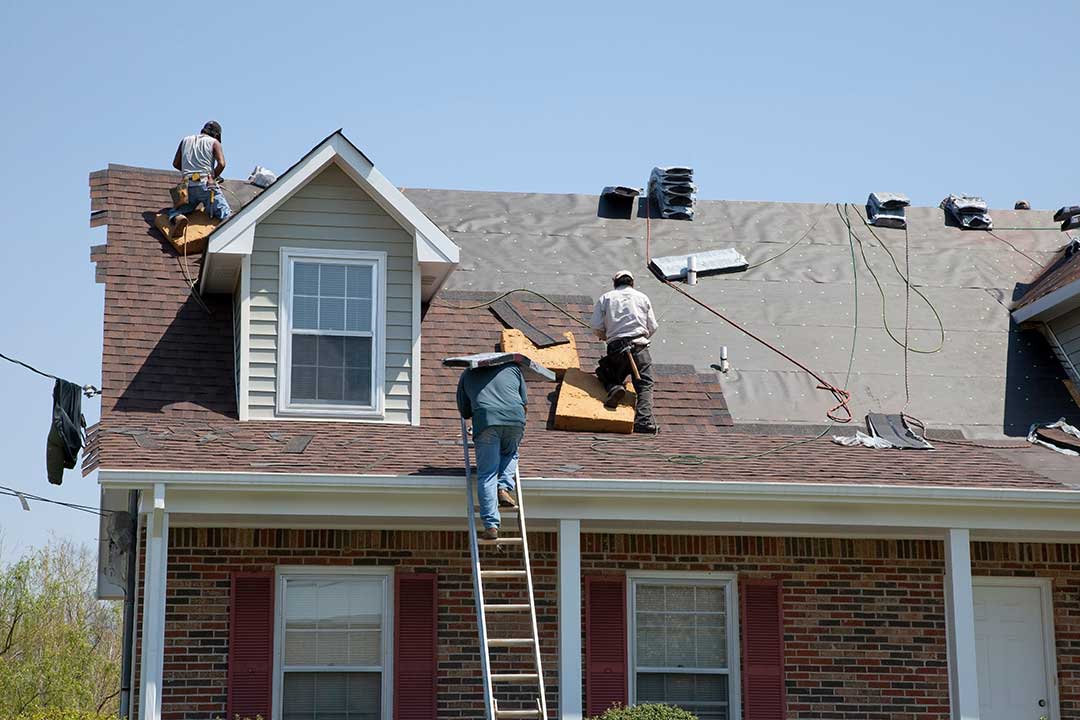
Hudson’s combination of sun, wind, and fluctuating temperatures magnifies these flaws compared to milder climates.
What Role Does Attic Inspection Play in Spotting Installation Flaws?
Sometimes, major warning signs hide where only a close inspection can uncover them.
- Attic visits after roofing work can reveal daylight shining through gaps, missing underlayment, or nails that missed the rafters. Any of these suggest shortcuts were taken.
- Persistent dampness, musty smells, or evidence of wildlife intrusion may point to inadequate sealing, leaving homes vulnerable to both the elements and critters that are active in local neighborhoods.
Regular attic checks help area residents catch problems before they migrate further into the interior.
Are Permitting or Inspection Records Useful for Homeowners?
Reviewing the documentation for a recent roof can reveal hidden issues.
- If a roof was installed with no record of permit application or inspection—often required by local building codes—it raises concerns about whether proper techniques and materials were used.
- A lack of clear explanation or sudden cost changes during the project may indicate corners were cut, which can result in future expense or code violations for homeowners.
In the city, obtaining and retaining these records contributes to maintaining both property value and neighborhood safety.
Can Poor Roof Installation Affect Home Energy Efficiency?
Faulty techniques don't just risk leaks—they can make heating and cooling costs soar.
- Warm air escaping from living spaces due to improper sealing between the attic and home drives up winter heating bills, already a concern given Hudson’s chilly winters.
- Poorly ventilated roof structures trap heat in summer, making upper floors uncomfortably warm.
- Moisture from leaky roofs can degrade insulation effectiveness, making residences less efficient all year round.
Addressing installation flaws reduces long-term energy waste and preserves comfort in both the city’s historic and newer homes.
