
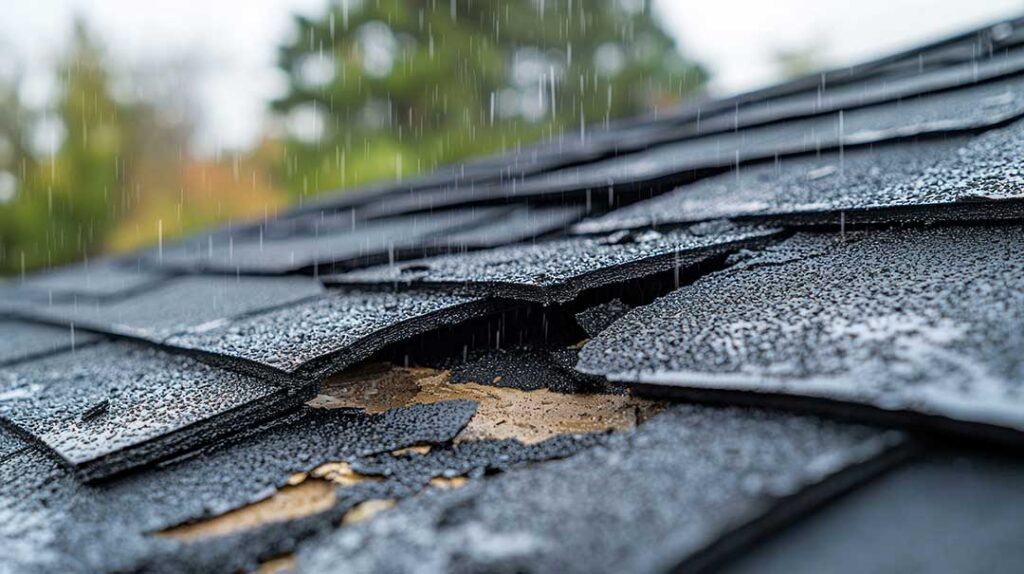
Before leaving for vacation, homeowners in Hudson, NY should check for visible roof damage, clear drainage paths, secure loose outdoor items, and arrange for someone to notice problems that may develop during the trip. A few simple preparations can reduce the chance that rain, wind, or falling branches turns a minor issue into interior damage.
What should be checked before leaving?
The most useful pre-vacation inspection is a careful walk around the property from ground level. Look for changes that may indicate a developing roof or drainage problem.
Check for:
- Missing, cracked, curled, or displaced shingles
- Exposed roofing material around vents, chimneys, or roof edges
- Sagging areas along the roofline
- Loose or damaged flashing
- Water stains on soffits, fascia, or exterior walls
- Gutters that are overflowing, pulling away, or packed with leaves
- Downspouts that discharge beside the foundation instead of away from it
- Branches that touch or overhang the roof
Do not climb onto a roof simply to inspect it before vacation. Roof surfaces can be slippery, steep, or weakened in places that are not obvious from the ground. A pair of binoculars can help with a closer look from a safe position.
Small problems are easier to monitor before they are exposed to several days of wind and rain. A loose shingle, for example, may allow water beneath surrounding materials if a storm lifts it farther out of position.
Why do gutters and downspouts matter so much?
Gutters and downspouts carry roof runoff away from the house. If they are clogged or disconnected, water can spill over the edge, soak exterior wood, collect near the foundation, or enter through vulnerable areas around windows and walls.
Before traveling:
- Remove leaves, twigs, and roof grit from accessible gutters.
- Confirm that downspouts are connected.
- Make sure water exits several feet away from the foundation where practical.
- Check that splash blocks or extensions have not shifted.
- Look for standing water in low sections of guttering.
This work should be done from a stable position, and ladder use deserves extra caution. Wet surfaces, uneven ground, and reaching sideways are common causes of falls. If the work requires getting onto the roof or handling a tall ladder in an awkward location, it may be safer to leave that task to someone qualified to perform it safely.
Hudson’s older homes and varied roof designs can have different drainage arrangements, including additions, porches, dormers, and multiple roof levels. Water from an upper roof may discharge onto a lower roof or into a valley, making those areas especially worth checking for debris and staining.
Should roof repairs be completed before vacation?
Visible damage should not be ignored simply because a trip is approaching. At the same time, hurried repairs immediately before departure can create their own risks if materials are installed incorrectly or temporary fixes fail.
Prioritize conditions that could allow water into the home, including:
- Openings or holes in the roof covering
- Missing materials over living spaces
- Damaged flashing around penetrations
- Active leaks or recent interior water stains
- Roof areas covered by fallen limbs
- Severe sagging or signs of structural movement
If there is an active leak, place a container beneath the drip and move furniture or belongings away from the area. Do not enter an attic during active water intrusion if the floor, insulation, or electrical components may be wet. Electrical hazards and hidden structural damage are possible.
Temporary coverings should be secured properly and kept away from chimneys, vents, and electrical equipment. Improvised materials such as loose plastic sheeting may trap water, tear in wind, or create additional damage if not installed carefully.
How can indoor signs reveal an exterior roof problem?
A roof problem may become visible inside the home before it is obvious from outside. Before leaving, inspect ceilings, upper walls, and attic spaces if they can be reached safely.
Look for:
- Yellow, brown, or gray ceiling stains
- Peeling paint or bubbling drywall
- Damp insulation
- Musty odors
- Soft wood near roof framing
- Daylight visible through the roof deck
- Small amounts of moisture after previous rain
A stain does not always show the exact location of the roof opening. Water can travel along rafters, decking, insulation, or framing before appearing inside. For that reason, painting over a stain without finding the source does not resolve the underlying problem.
If the attic is accessible, inspect it only in dry conditions and use a solid walking surface. Do not step directly on ceiling drywall between joists. A flashlight can reveal damp wood or water tracks, but an attic inspection should stop if there are signs of structural weakness, mold growth, exposed wiring, or unsafe access.
What should be done about trees and outdoor equipment?
Wind-related roof damage often begins with objects outside the roof itself. Branches can scrape shingles, puncture roofing materials, clog gutters, or fall during a storm.
Before leaving, look for:
- Dead limbs above or near the roof
- Branches rubbing against roof surfaces
- Loose outdoor furniture
- Ladders, tools, decorations, or containers that could become airborne
- Bins or equipment positioned where wind could push them into walls or roof edges
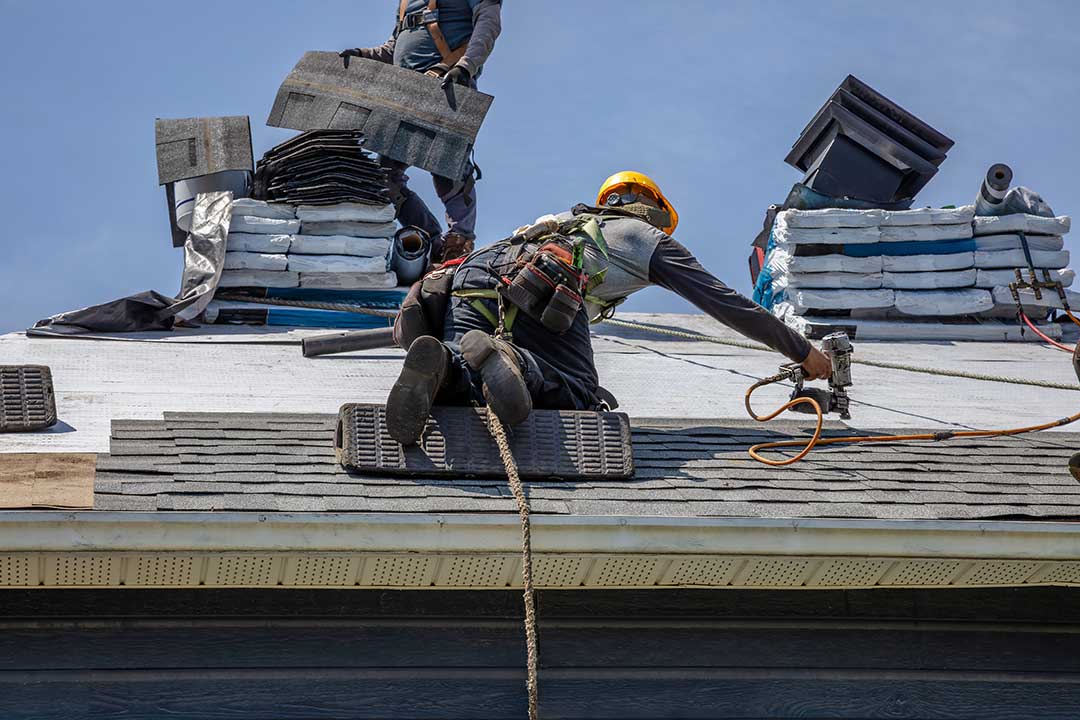
Do not attempt to cut large limbs from a roof or near utility lines. The combination of height, cutting tools, and unpredictable branch movement is hazardous. A tree that appears stable from the ground may have hidden decay or weakened roots.
Outdoor items should be secured without blocking roof drainage or covering vents. Items placed against exterior walls can also make it harder to notice water entry or allow moisture to remain against siding and trim.
What should a house sitter know?
A trusted person checking the property should know how to recognize a roof-related problem and what to do if one appears. A written checklist is more useful than a general request to “keep an eye on things.”
The checklist can include:
- Look at ceilings after heavy rain.
- Check for new water stains or dripping.
- Walk around the home for fallen branches or loose roofing materials.
- Confirm that gutters are not overflowing.
- Make sure doors and windows remain closed during storms.
- Know where the main water shutoff and electrical panel are located.
- Keep emergency contact information available.
If the property has an attic, the person checking the home does not necessarily need to enter it. Interior ceilings, upper walls, and the exterior ground-level view often provide enough information to identify a developing problem without creating additional safety risks.
A simple dated photograph of ceilings and visible roof edges before departure can also make it easier to recognize new damage later.
Should utilities be shut off before vacation?
Utility decisions depend on the season, the length of the trip, and the home’s plumbing and heating systems. Roof preparation should be coordinated with basic water-damage prevention.
For a longer absence, consider:
- Turning off the main water supply if appropriate for the property
- Testing sump pumps before departure
- Confirming that backup power equipment is ready if the home depends on a sump pump
- Keeping heat at a safe level during cold weather
- Checking that attic or exterior vents are not blocked
- Making sure smoke and carbon monoxide alarms are working
Turning off water does not prevent roof leaks, but it can limit the amount of damage from a burst pipe or failed plumbing connection while the home is empty. In cold weather, completely shutting down heat without winterizing the plumbing can create a different risk.
What should be checked after returning?
After vacation, inspect the home before putting away luggage or resuming normal routines. Walk around the exterior first, then check ceilings, upper walls, and accessible areas below the roof.
Look for:
- New ceiling stains
- Damp insulation or musty odors
- Fallen branches
- Missing or shifted shingles
- Gutter sections that have pulled loose
- Water pooled near the foundation
- Debris gathered in valleys or behind roof penetrations
If a storm occurred while the property was empty, photograph visible damage before moving materials or making repairs. Keep damaged roofing pieces if they are safe to collect, and record when the problem was first noticed. These details can help explain what happened and distinguish recent storm damage from older wear.
The goal is not to make a roof completely risk-free while a household is away. It is to identify existing vulnerabilities, keep water moving away from the building, remove preventable hazards, and ensure that someone can recognize trouble before a small roof issue becomes extensive interior damage.
