
How Do Roof Shapes Impact the Way Homes Look and Function in Hudson, NY?
Roof shapes play a central role in both the appearance and practicality of a home in Hudson, NY. The silhouette of a roof can define a neighborhood’s character, influence how a house handles local weather, and affect everything from attic space to energy use. Residents exploring renovations or repairs often find that even simple changes in roof form can result in big differences—sometimes in ways not immediately expected.
Why Are Certain Roof Shapes More Common in the Hudson Area?
The roof styles seen throughout Hudson are often the result of historical trends, climate adaptations, and building regulations. Most local homes feature gabled or hipped roofs; these have proven effective at shedding snow and rain through the region’s variable seasons.
Many houses, especially those built in the 19th and early 20th centuries, reflect styles suited to managing snow load and wind. For example:
- Gable roofs have two sloping sides that meet at a ridge, making it easy for precipitation to run off before it builds up.
- Hip roofs, which slope on all four sides, offer even greater stability in high winds and resist damage during heavy winter storms.
Modern builds sometimes experiment with flat or low-sloped designs, but these typically require additional engineering and maintenance to prevent leaks and withstand the freeze-thaw cycles common in the area.
Does Roof Shape Affect Energy Efficiency or Heating in Local Homes?
In Hudson, roof shape can have a notable effect on energy use, especially during the fluctuating temperatures of spring and fall, and the cold winters.
A steep gable roof allows for more attic insulation, which can help retain warmth inside. In contrast, flat or low-sloped roofs may have less attic space, requiring alternative insulation methods to prevent heat loss.
Ventilation is also impacted by roof form. Traditional venting systems—such as ridge and soffit vents—work best with sloped roofs. Poor ventilation can lead to condensation and ice damming, a common winter hazard in the region. Residents sometimes underestimate how much roof shape determines the long-term comfort and efficiency of their homes.
How Do Roof Shapes Change Interior Space and Layout?
Roof design doesn’t just influence the exterior; it changes the way a home can be used inside.
- Gable and gambrel roofs often allow for large, open attics that can be finished for extra rooms or storage.
- Mansard roofs, with their dual-sloped sides, are sometimes chosen to create a full upper floor without raising the building’s total height.
- Flat roofs, while providing modern aesthetics, limit above-ceiling space and typically offer only mechanical or minimal storage areas.
These differences matter for residents considering upper-floor renovations. It’s common to find that adding dormers or converting attics is simpler for homes with steep-pitched roofs than with flat or complex rooflines.
What Aesthetic Impacts Should Residents Consider?
Roof shape does far more than protect against the weather—it sets a tone for the entire property. In older neighborhoods of Hudson, traditional styles like gable and hip roofs create a sense of continuity and historical authenticity. Deviating from these forms too much can sometimes clash with the architectural language of surrounding homes.
However, unique roof shapes—such as butterfly or gambrel roofs—can be used thoughtfully for visual impact, particularly in renovations or infill houses. Area design guidelines or homeowners’ association rules may limit how much individuality is practical, but there’s still room to reflect personal tastes. Even small changes to roof pitch or overhang depth can meaningfully alter a home’s curb appeal.
Are There Local Regulations That Affect Roof Design Options?
Hudson’s zoning codes, historic preservation rules, and building ordinances may influence which roof shapes are allowed, especially in the city’s older neighborhoods or in homes near the historic district.
Restrictions sometimes specify roofing material, maximum building height (measured to the roof peak or mid-point), or even the angle of roof slopes. These regulations aim to balance homeowners’ freedom with the need to preserve local heritage and community resilience to weather events.
Before planning major changes, residents usually check with the city’s permitting office or consult local planning documents to ensure their project aligns with current guidelines.
How Do Hudson’s Weather Patterns Interact With Roof Design?
The region’s four-season climate places consistent demands on roofing. Roofs in the area must manage:
- Snow accumulation and freeze-thaw cycles in winter
- Heavy seasonal rainfall
- Intense summer sun
Steeply pitched roofs (such as gable, hip, or even mansard forms) perform reliably, allowing snow and water to slide off. Flat or modern low-slope roofs are possible, but typically require robust drainage systems and durable materials to prevent pooling water or ice buildup.
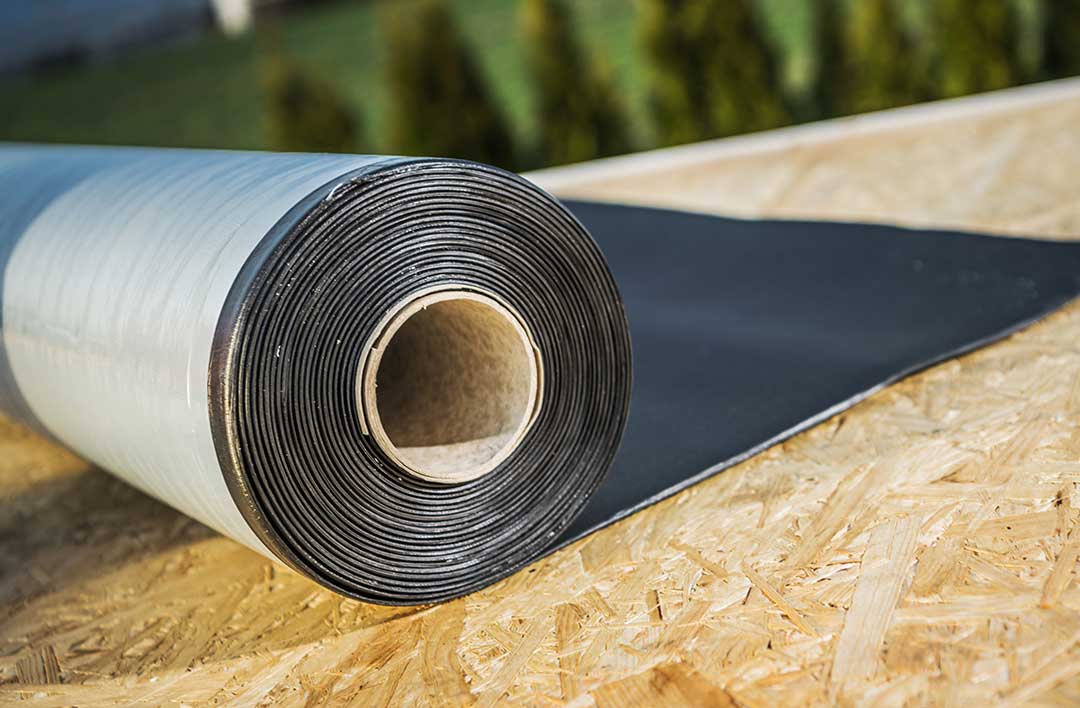
Older homes may need updated flashing and ice-and-water shield systems, particularly if the roof shape was originally designed for milder conditions than are currently experienced.
Common Misconceptions About Roof Shape and Function
New homeowners sometimes believe that any roof style will work equally well if built properly. In practice, the match between local climate and roof shape is crucial. For example:
- Flat roofs are often chosen for their modern look but can be more vulnerable to leaks unless meticulously maintained, especially in snowy environments.
- Gambrel and mansard roofs offer attractive additional space, but require care to prevent snow loading stress and ice dams at the eaves.
- Overhangs can make a big difference in protecting siding and windows, but some styles naturally provide more shelter than others.
Residents also occasionally assume that upgrades like solar panels or rooftop gardens can be added to any house. The best candidates for such projects often have a particular type or orientation of roof, so early design decisions have long-term consequences.
Practical Examples in Hudson Neighborhoods
Throughout the city, examples abound of different roof shapes meeting specific needs. Queen Anne homes display complex multi-gabled roofs, maximizing sunlight and rain handling. Colonial and Dutch influences show up in gambrel roofs, allowing for roomy upper floors. More recently, contemporary homes experiment with flat or single-slope forms, creating striking skylines but relying on advances in material science to remain weather-tight.
What works on a quiet residential street might not suit houses near open fields or steep hills, where wind and drifting snow can create extra challenges.
