
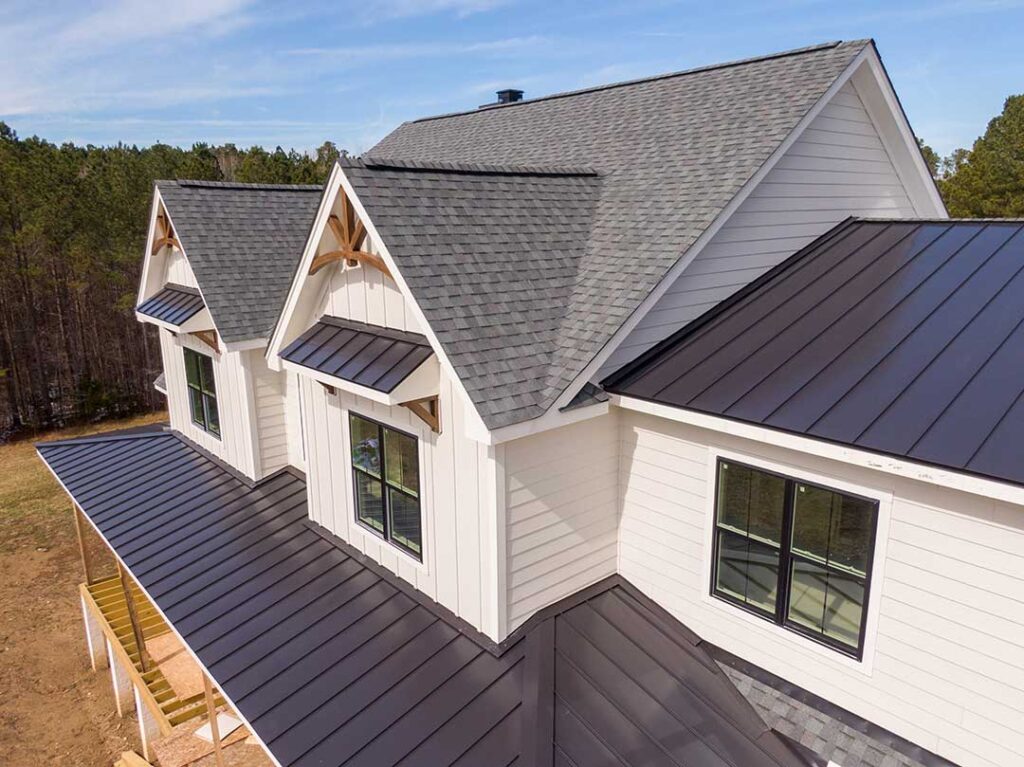
Roof repairs can look manageable from the ground, especially when the problem appears to be a few missing shingles or a small gutter issue. In practice, roof work combines fall hazards, sharp materials, unstable footing, hidden structural damage, and weather exposure. For residents in Hudson, NY, the safest do-it-yourself projects are usually those completed from the ground or from a properly positioned ladder—not tasks that require walking across the roof.
The right question is not simply whether a repair is technically possible. It is whether the work can be completed without creating a greater risk to people, the building, or the roof system.
Which roof projects are usually reasonable for a homeowner?
The safest projects are low-height, ground-based, and limited in scope. A homeowner may be able to handle:
- Cleaning leaves from accessible gutters while standing on stable ground or a properly secured ladder
- Replacing a damaged downspout section
- Removing small amounts of moss or debris without stepping onto a steep roof
- Inspecting attic insulation, roof sheathing, and visible leaks from inside the house
- Replacing a vent cover or flashing component only when it can be reached safely without roof access
- Temporarily covering a small opening from a safe position, provided wind and weather are not creating additional danger
Even these tasks require caution. Wet leaves make ladders slippery, and gutters may be heavier than they appear when filled with water or debris. A ladder should never be placed on ice, snow, soft soil, uneven paving, or a sloped surface.
A useful boundary is this: if the task requires carrying materials while climbing, reaching sideways from a ladder, stepping onto the roof, or working near an unprotected edge, it is no longer a simple maintenance project.
When is it unsafe to get on the roof?
Roof access becomes unsafe when the surface is wet, icy, snowy, frosted, windy, or visibly deteriorated. OSHA guidance identifies rain, snow, sleet, and high winds as conditions that can create hazardous roof work and states that operations should be suspended when safe footing cannot be maintained. ([osha.gov](https://www.osha.gov/enforcement/directives/std-31?utm_source=openai))
That matters in Hudson, where seasonal weather can change quickly. A roof that seemed dry in the morning may become slick after an afternoon shower, overnight frost, or melting snow. Shade from trees or nearby structures can leave icy patches after the rest of the roof appears clear.
Do not climb onto a roof when:
- Shingles are damp, glazed, curled, brittle, or covered with algae
- Snow or ice is present on the roof, ladder, or ground
- Wind makes it difficult to control a ladder, tarp, or piece of roofing material
- The roof deck feels soft or springy
- You cannot clearly see the roof edge and walking path
- Thunderstorms or lightning are nearby
- You are carrying tools or materials that require both hands
Footwear alone cannot make a hazardous roof safe. Rubber-soled shoes may improve traction, but they do not prevent a fall from an edge, through a skylight, or across a weak section of roof decking.
What roof features should stop a do-it-yourself repair?
Roof shape and condition are more important than the size of the repair. A small leak can still require dangerous access if it is near a chimney, valley, dormer, skylight, or upper roof section.
Avoid walking on a roof if it has:
- A steep pitch
- Multiple roof levels
- Valleys that collect water or debris
- Skylights or roof openings
- Loose, missing, or badly deteriorated shingles
- Slate, clay tile, brittle cement tile, or fragile historic materials
- Sagging areas or visible structural movement
- Ice-dam buildup
- A roof edge above a porch, driveway, retaining wall, or other hard surface
Older homes in the area may also have layered roof materials, complicated additions, or concealed damage around chimneys and sidewalls. Water stains inside the home do not always identify the exact entry point. Water may travel along rafters, sheathing, insulation, or interior framing before appearing on a ceiling.
How high is too high for a homeowner?
There is no single height at which every homeowner becomes unsafe, because roof pitch, surface condition, equipment, and experience all matter. However, a roof edge several feet above the ground can cause serious injury, particularly when the landing area includes concrete, stone, stairs, or metal objects.
OSHA construction standards generally require fall protection for workers exposed to unprotected sides or edges six feet or more above a lower level, and OSHA identifies falls as a leading cause of death in residential construction. These rules are written for workplace conditions, but they illustrate how quickly ordinary roof work becomes a serious fall hazard. ([osha.gov](https://www.osha.gov/residential-fall-protection/guidance?utm_source=openai))
A household ladder is not a complete fall-protection system. It provides access, but it does not protect someone who slips while stepping onto the roof or loses balance while reaching along an eave.
If a task requires roof brackets, scaffolding, a personal fall-arrest system, a roof anchor, or specialized access equipment, that is a strong indication that the work exceeds normal do-it-yourself maintenance.
Can a homeowner repair a few missing shingles?
Sometimes, but only if the roof is low-slope, dry, stable, and safely accessible. Replacing a shingle also requires understanding how the repair interacts with underlayment, flashing, fasteners, seal strips, and surrounding shingles.
A patch may not solve the problem if:
- The missing shingle resulted from wind lifting surrounding courses
- Nails have backed out across a larger area
- Water is entering around flashing
- The roof deck is soft
- Several layers of roofing are already present
- Shingles are brittle and break when lifted
- The leak is near a chimney, wall, valley, or vent
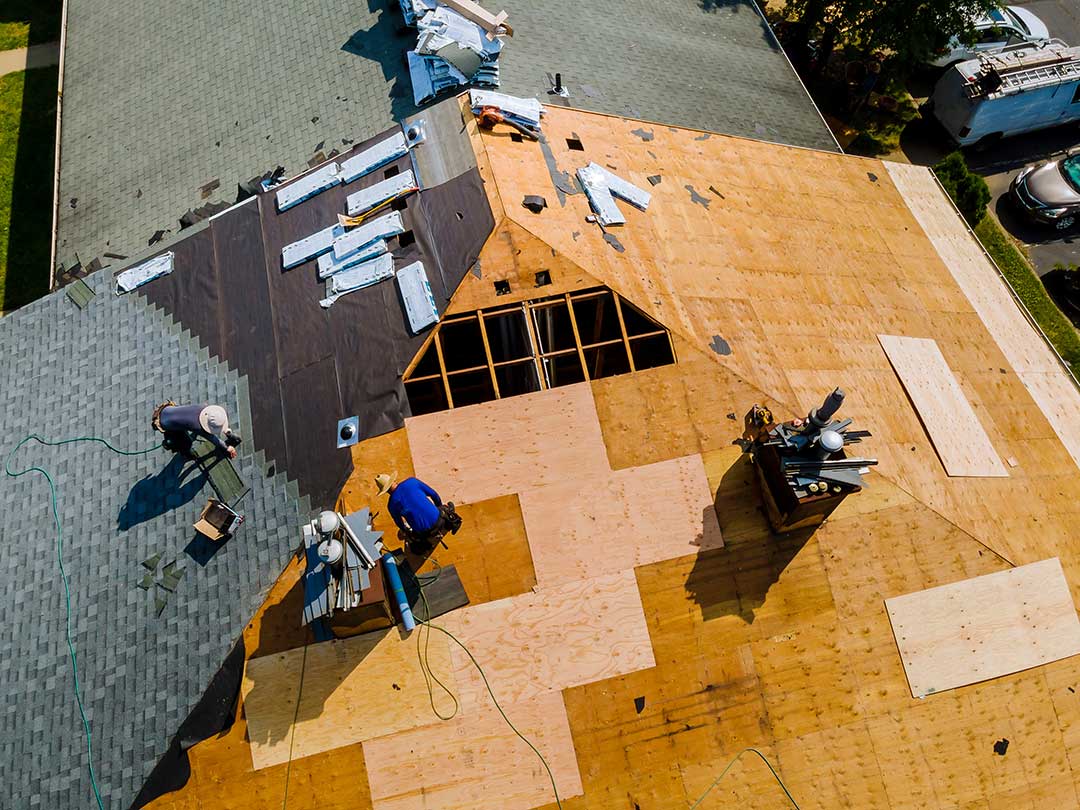
New York’s residential code addresses roof coverings, flashing, roof drainage, and the condition of existing roof assemblies. It also limits when a new roof covering may be installed over an old one, including situations involving deteriorated or water-soaked materials. ([dos.ny.gov](https://dos.ny.gov/nys-residential-code-noa-7242025?utm_source=openai))
The practical lesson is that replacing one visible shingle is not always a one-shingle problem.
What should never be treated as a casual DIY project?
Some work should be considered outside ordinary homeowner maintenance because mistakes can affect structural safety or allow widespread water damage. Examples include:
- Replacing roof decking or rafters
- Repairing sagging roof areas
- Working around electrical service or rooftop equipment
- Installing or moving skylights
- Repairing chimney flashing or masonry from the roof
- Re-roofing an entire slope or house
- Removing multiple layers of roofing
- Working on slate, tile, or historic roofing
- Installing roof-mounted solar equipment
- Cutting into a roof for a vent, dormer, or other opening
Permits and code requirements can also apply depending on the work and the local building authority. New York State’s building-code guidance states that permits are generally required for work governed by the Uniform Code, with specific exceptions and local administration. ([dos.ny.gov](https://dos.ny.gov/division-building-standards-and-codes-frequently-asked-questions?utm_source=openai))
What is the safest way to inspect a possible roof problem?
Start from the ground and interior. Look for missing or displaced materials, damaged flashing, overflowing gutters, staining around ceilings, damp insulation, peeling paint, and daylight visible through the attic roof deck.
A practical inspection can include:
- Checking the attic after rainfall for active moisture
- Photographing suspected damage from the ground
- Measuring interior stains and tracking whether they grow
- Clearing leaves from ground-level drainage areas
- Looking for blocked downspouts or water pooling near the foundation
- Recording the date and weather conditions when a leak appears
If the roof is unsafe to access, an inspection from the ground, attic, or an elevated camera may provide useful information without adding fall risk. A small visible defect should not be treated as minor if the roof surface is unstable, the leak is spreading, or weather is expected to worsen.
The safest roof work for most households is preventive maintenance and careful observation from secure locations. Once the job involves walking on the roof, working near an edge, disturbing structural materials, or depending on specialized fall protection, the risk has moved beyond ordinary home repair.
