
What Does a Roof Tear-Off Involve?
A roof tear-off is the process of removing all old roofing materials down to the bare decking before installing new shingles or roofing materials. Unlike overlay installations, a tear-off ensures the new roof is placed on a clean surface, which is especially valuable for the variable weather faced by homes in Hudson, NY. Tear-offs allow for thorough inspection and repair of the underlying structure, which can be crucial in an area where seasonal changes lead to moisture, ice, and heat challenges.
Why Would a Tear-Off Be Necessary?
A tear-off is typically chosen when the existing roof is at the end of its lifespan, severely damaged, or if there are already multiple layers of shingles. Local roofing codes in areas like Hudson generally permit no more than two layers of shingles on a pitched roof. Tear-off may also be required if inspection reveals soft spots, rot, or water damage in the roof deck that must be fixed to maintain the home's structure and prevent leaks.
What Can Residents Expect During Preparation?
Residents can expect the area around the home to be prepared for falling debris. Local roofers often recommend removing or protecting outdoor items close to the house, such as patio furniture, grills, and garden decorations. Vehicles should be parked away from the work zone. Larger properties in the Hudson community may require extra preparations to cover landscaping or protect garden beds. Indoors, vibrations from the removal process can knock loose items off walls or shelves, so these should be secured or temporarily relocated.
What Happens During the Actual Tear-Off?
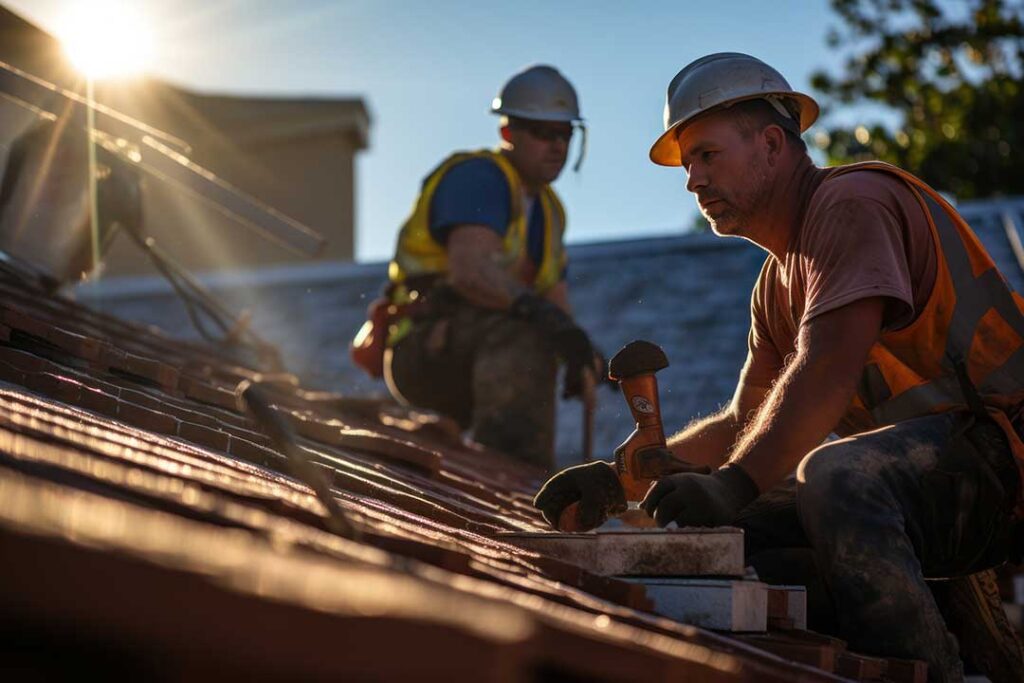
The process usually starts early in the morning and can be noisy. Crews systematically strip away old shingles, underlayment, nails, and flashing down to the wood decking. In homes common to the area, this step often reveals unexpected issues such as warped boards or hidden leaks, as Hudson's changing seasons and frequent freeze-thaw cycles accelerate wear. Damaged decking is repaired or replaced before any new materials are installed.
Debris is usually tossed into a dumpster or truck for removal, and tarps are used to protect siding and catch stray nails. The entire process for an average single-family home in Hudson often takes one to three days, weather permitting. Larger or more complex roofs may require additional time, especially after storm events when schedules are busier and roofs may have suffered acute damage.
What Noise, Mess, and Disruption Should Be Expected?
A tear-off is louder and messier than other types of roofing work. Residents should expect:
- Hammering, scraping, and occasional vibrations throughout the house
- Temporary debris piles near the foundation
- Workers and equipment moving around the property
- Limited access to driveways or walkways while debris is being collected
Pets may be especially stressed by the noise, so arrangements to keep them calm or relocate them during the busiest hours can be helpful. Families working from home may consider alternative arrangements if quiet is essential.
How Is Safety Managed During a Tear-Off?
Safety is a high priority given the risks of falling debris, exposed nails, and ladders. Area crews typically cordon off the work zone, which may limit direct access to certain entrances or parts of the yard. Children and pets must be kept clear of the work area until the project is complete and thorough cleaning ensures the yard is safe. Inclement weather, which can arrive with little warning in Hudson, may pause work for safety reasons or to protect the open roof.
What Happens If Damage Is Discovered During Removal?
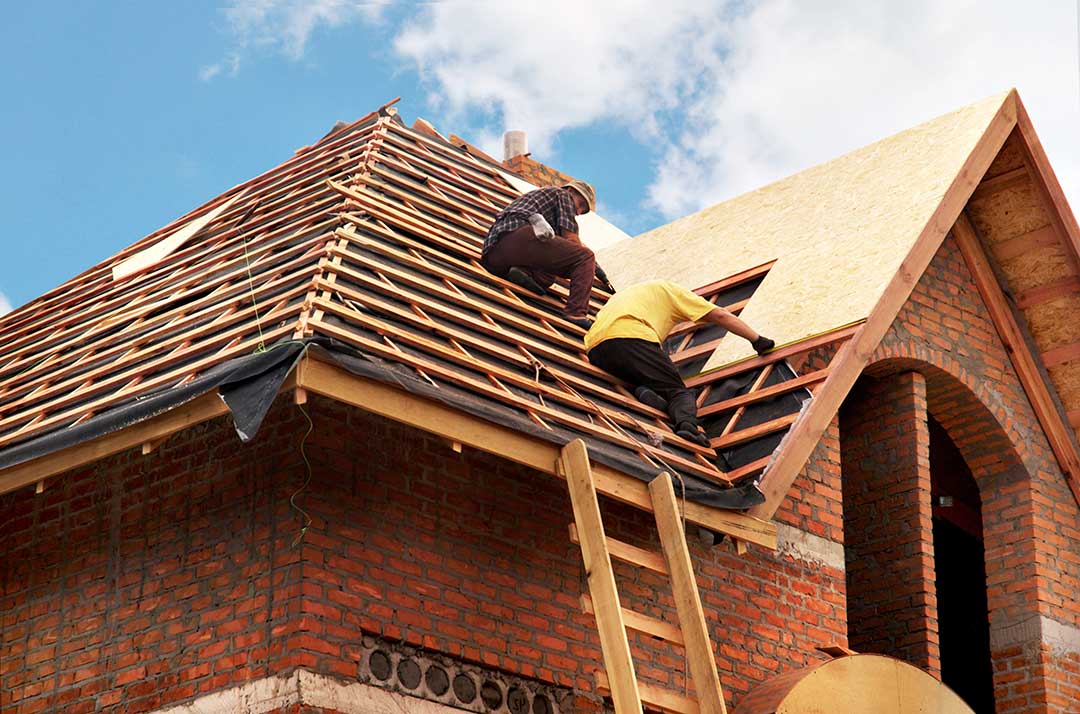
If rotting wood, mold, or structural issues are found under the old roofing, repairs are made before new materials are installed. Structural fixes may include replacing decking or reinforcing supports weakened by water or pests. These surprises sometimes extend the timeline or affect costs but are necessary for protecting the building from future leaks or ice damming—both concerns in Hudson’s climate. In some cases, local building regulations may require inspections before moving forward.
How Is the Yard Cleaned Up After a Tear-Off?
Clean-up is a detailed step in this process. Once the roof work concludes, crews use magnets and hand tools to collect nails and small debris from lawns, driveways, and walkways. Local homes with mature landscaping may need extra attention to ensure flower beds and grass are free of hidden hazards. Residents should check gutters and downspouts for debris that might have accumulated during removal, as blocked drainage can lead to water problems around the foundation.
What Are Common Misconceptions About Roof Tear-Offs?
It's a common belief that a tear-off guarantees the discovery of major problems, but many roofs are structurally sound beneath old shingles. Another misconception is that a tear-off will always make a yard unsafe for weeks; in reality, thorough clean-up ensures most properties are safe the same day the job is finished. Additionally, some expect a tear-off to be more disruptive than it actually is; while noticeable, experienced crews limit inconvenience for area households.
What Should Homeowners Do After the Project?
Once the tear-off and new roof installation are complete, it’s wise for homeowners to:
- Walk the property to spot any lingering debris or issues,
- Double-check attic ventilation and insulation (significant for comfort and energy costs in Hudson’s cold winters and humid summers), and
- Keep records of repair work and any warranties for future reference or insurance documentation.
Understanding these steps and outcomes helps area residents feel prepared and confident about roof tear-off projects in their homes.
