
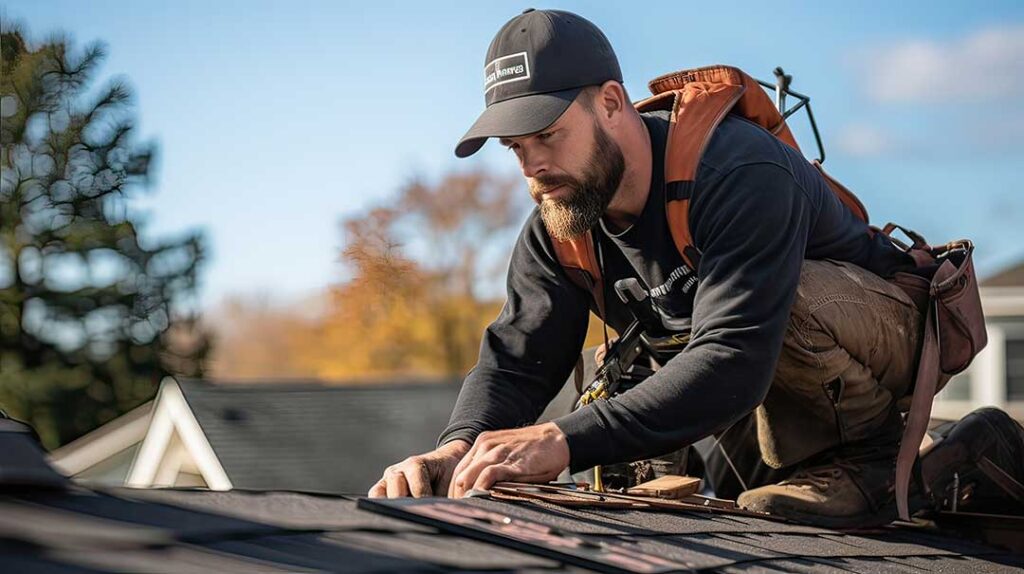
Can Residents Safely Walk on a Roof?
Walking on a roof always comes with risks, but careful preparation and awareness can reduce the danger. Many homeowners in Hudson, NY find themselves needing to inspect shingles after winter storms, clear branches, or check gutters. Considering the city’s seasonal freeze/thaw cycles and occasional windy weather, it’s especially important to recognize when it is safe—and when it’s not advisable—to get on the roof.
If a roof is steeply pitched, has visible damage, is wet, icy, or covered in moss, even experienced individuals should avoid climbing it. For most people, low-sloped asphalt or architectural shingle roofs under dry, calm conditions are the only scenario where brief, careful walking may be considered.
What Equipment Is Needed to Minimize Risks?
Before stepping onto any roof, wearing the right gear and using basic safety tools increases protection.
- Use non-slip, soft-soled shoes with clean treads. Lightweight hiking shoes or sneakers with grippy soles work better than hard boots.
- Dress in flexible clothing and gloves, as bulky gear increases the chance of tripping.
- Use a safety harness attached to a secure anchor point when possible, especially for work beyond the lower edge.
- A sturdy extension ladder set on level ground, with the ladder extending at least three feet past the eaves, helps you get on and off safely.
- Roofing shoes and roof brackets (roof jacks) provide more stability if you’re planning to be up there for more than a few quick steps.
Don’t bring loose tools, heavy buckets, or anything that hampers balance. In the city’s hilly neighborhoods, uneven ground at the roofline can add risk to ladder positioning—always double-check for stability.
How Should You Check Safety Before Getting On the Roof?
A quick inspection from the ground can help spot red flags.
- Look for sagging, soft spots, or missing shingles, which may mean the structure is weak.
- Note any black algae, moss, wet leaves, or frost—these make the surface much more slippery.
- Consider recent weather: after freeze/thaw cycles, even “dry” roofs can have lingering ice in shaded valleys or under debris.
Any roof over 6/12 pitch (about 27°) is generally unsafe for walking without specialized equipment. In historic parts of the city with older homes, some roofs may feel “spongy” underfoot due to age—these should not be walked on without inspection by a professional or building official.
What’s the Right Way to Walk on a Roof?
If you decide it’s safe and necessary to walk on your roof, move slowly and deliberately.
- Step only where there’s solid support below—close to nails or where rafters run under the shingles.
- Keep your weight evenly distributed and move one foot at a time, pausing between steps.
- Stay low: crouching gently with hands ready for balance reduces your falling radius if you slip.
- Walk perpendicular to the slope whenever possible rather than directly up or down.
Never step on skylights, solar panels, or sun-warmed vent covers, which can crack or be slippery. Be mindful of loose debris, granules, or uneven transitions between roof planes.
Are There Local Climate Issues That Affect Roof Safety?
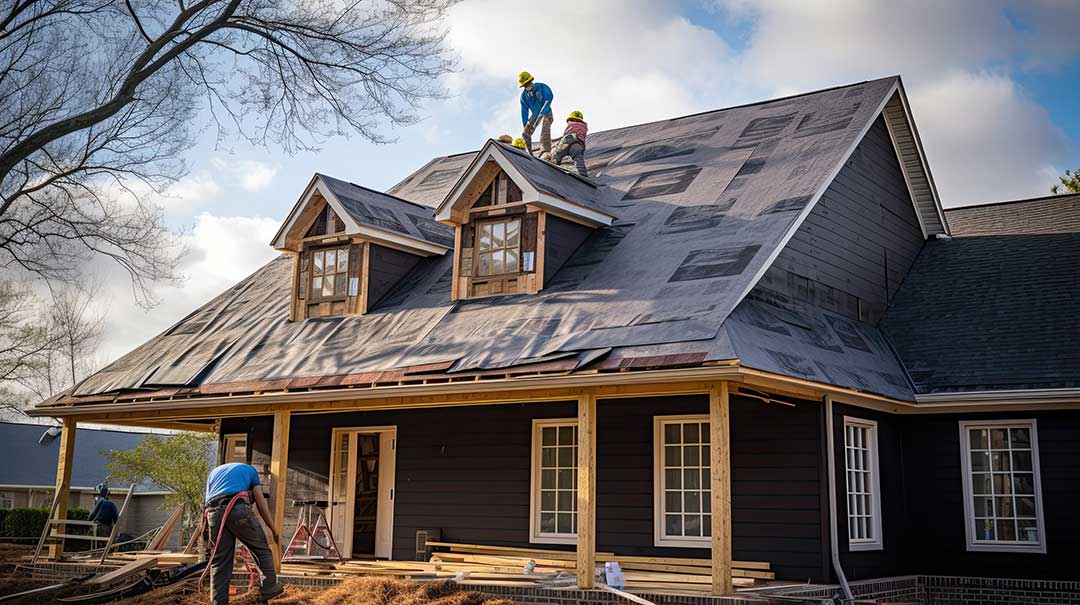
Hudson’s climate brings unique challenges for roof safety. After winter, many roofs retain patches of ice on shaded areas well into spring. Moss and algae grow rapidly in the moist, temperately cool summers, making sections slippery. Roofs with heavy leaf drop from neighborhood maples and oaks are likely to hide hazards under debris.
Spring and fall gusts sometimes blow branches or create shingles that look flat but have begun to curl or come loose. Stepping on these weak points can cause slips, or even break through a rotted section. In flood-prone river-adjacent neighborhoods, past water damage may have weakened roof decking undetectably from below.
When Should Residents Avoid Roof Access Completely?
There are times when no safety gear or care can protect you:
- After heavy storms or snowfall, as hidden damage, sagging, or ice dams may not be visible.
- At dusk, night, or in fog, when visibility is reduced.
- If the roof is wet, icy, or covered in organic material.
- On steep pitches or over complex roof designs with valleys and multiple edges, common on Victorian-era homes in the area.
- If working alone and out of earshot—there should always be someone nearby to help in case of a fall.
Even for routine maintenance, ladders or inspection tools with cameras are safer for many tasks. Local building codes may also prohibit unlicensed work on multi-unit or tall buildings, so checking with city ordinances before larger projects is wise.
What Are the Most Common Mistakes Residents Make?
Many misjudge how steep or slick a roof is, especially just after a light rain dries in the sun, leaving hidden damp spots. Others trust old wood shingles or slate without realizing age or previous repairs can leave them fragile. It’s also risky to underestimate how quickly fatigue can set in: brief chores like cleaning a gutter can become hazardous after just a few minutes of awkward balancing.
Skipping over visible soft spots, or stepping too far from approved ladder entry points, leads to the majority of accidental falls or injuries reported in the community each year.
What Safer Alternatives Might Meet Your Needs?
For tasks like checking for leaks, minor shingle damage, or clearing small debris, extension poles, roof inspection binoculars, or even a drone can eliminate most need to get on the roof at all. Gutter cleaning tools that attach to hoses are widely available for local households, as are roof rakes for snow.
For residents in older, multistory buildings common in the city, accessing the roof from inside via an attic hatch or window may be safer than using an exterior ladder. Whenever unsure, consulting official city safety guidelines or building codes can ensure that both safety and local requirements are met.
