
What Causes Roof Stains in Hudson, NY?
Roof stains are a frequent concern for many Hudson, NY households, often appearing as dark streaks or patches that disrupt an otherwise clean roof. Most commonly, these stains result from the growth of algae (especially Gloeocapsa magma), moss, or lichen that thrive in the moist climate experienced locally. Stains may also form from airborne pollutants, tree debris, or mineral deposits, but biological growth is the chief culprit in this part of New York due to periods of humidity, shade, and rainfall.
While the appearance of these stains can cause concern, their presence rarely means an immediate risk to the structural integrity of the roof. However, over time, unchecked growth—especially moss or lichen—can trap moisture and contribute to deterioration of roofing materials.
Do Roof Stains Indicate Damage?
Not all roof stains signal serious damage. In most Hudson homes, dark streaks are more a cosmetic issue than a sign of leaking or significant structural problems. However, there are exceptions:
- Stains accompanied by lifted or curling shingles could mean underlying water damage.
- Green, mossy areas at ridge lines or eaves may hold moisture against shingles, hastening wear.
- Certain rust or reddish stains may suggest metal component corrosion.
Residents should watch for changes in stain pattern or location, as quickly spreading or new stains after weather events sometimes signal ventilation or drainage problems.
Can Roof Stains Be Safely Cleaned?
Yes, most roof stains can be cleaned, but care is required to avoid damaging shingles or surrounding landscaping. The safest approaches in the Hudson area involve:
- Use of a gentle, low-pressure rinse (never a pressure washer, which risks shingle granule loss).
- Application of a non-corrosive, environmentally safe cleaning solution suitable for asphalt, slate, or metal roofing. Many are designed to target algae and moss.
- Delivering the solution from the ridge and allowing gravity and rainfall to help rinse away residues.
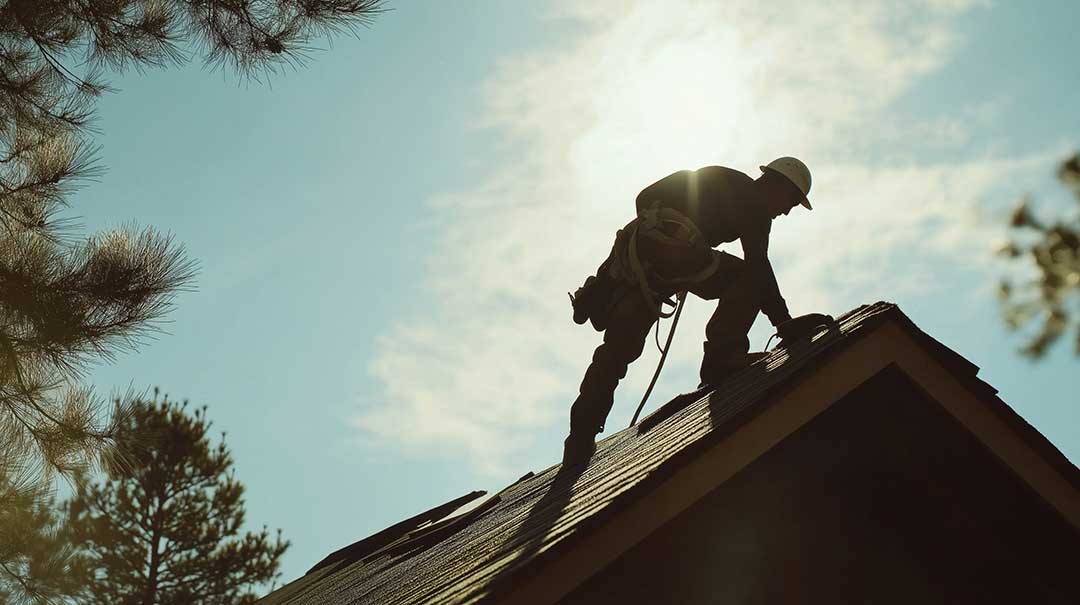
DIY cleaning is possible, but must be approached cautiously due to the risks of climbing and slippery surfaces, especially in wet Hudson seasons. Use of ladders and roof access should be restricted to those comfortable with heights and steady footing, and only in dry, calm weather. In all cases, avoid using wire brushes, strong acids, or bleach mixtures that can harm shingles and runoff into gardens or storm drains.
Why Do Some Roofs in Hudson, NY Get More Stains Than Others?
Stain development varies from house to house throughout the city. Key local factors include:
- Shade: Roofs shaded by tall trees, especially on the north and east sides, retain moisture and tend to see more algae and moss growth.
- Roof Material and Age: Older shingles with worn protective granules or rougher surfaces provide better footing for algae and moss spores.
- Airborne Debris: Houses near wooded areas, parks, or fields may see greater spore and pollen accumulation.
- Seasonal Patterns: Prolonged wet periods and slow snowmelt in Hudson can worsen staining cycles.
Proactive measures, such as trimming back overhanging branches or gently rinsing away leaves in the autumn, can reduce the frequency and severity of roof stains.
Are Roof Stains in Hudson, NY a Health or Environmental Hazard?
Generally, roof stains themselves are not considered a direct health threat. Algae, moss, and lichen on asphalt shingles do not usually produce airborne allergens in concentrations that would affect indoor air quality. However, the cleaning process—especially if harsh chemicals or high rinsing volumes are used—can introduce environmental concerns:
- Runoff may impact local streams, gardens, or groundwater if caustic agents are used.
- Moss and algae dislodged during cleaning can clog gutters and downspouts, potentially leading to overflow problems during Hudson’s heavy rains.
Selecting environmentally friendly cleaning agents and responsibly managing runoff—such as diverting it to soil or using gutter guards—helps minimize these risks.
How Can Roof Stains Be Prevented or Minimized?
Prevention focuses on reducing the conditions that encourage staining in Hudson households:
- Enhance roof sunlight exposure by trimming back trees and removing debris.
- Choose algae-resistant roofing materials or request zinc or copper strips, which gradually leach trace metals known to inhibit algae growth, at ridge lines during roof replacement.
- Maintain clear gutters and downspouts so that water, leaves, and spores do not linger on roof surfaces.
- After storms or periods of pollen, safely remove larger organic material from the roof using a soft broom or low-pressure hose from ground level.
Routine monitoring throughout the year is often enough to prevent the worst staining, with attention after seasonal changes or significant weather events.
Is Professional Help Ever Required for Roof Stains?
Roof stains that return quickly after cleaning, grow rapidly, or coincide with other roof concerns (such as leaks, sagging, or interior water damage) may indicate broader moisture issues or insufficient ventilation. In these cases, a thorough assessment of the roof system might be warranted.
Additionally, homes with steep roofs, advanced moss growth, or historic/slate roofing should not be accessed by residents due to the heightened risk of falls and material damage. Otherwise, most minor stain-cleaning and prevention tasks can be managed by homeowners taking standard safety precautions.
