

Why Do Shingles Need to Be Matched So Closely?
Making sure new shingles are visually and functionally consistent with existing ones matters for protection and aesthetics. Homeowners in Hudson, NY often need shingle replacement after wind, hail, or ice events, or when small repairs are needed. Using a close match helps protect against leaks, maintains curb appeal, and can even impact property value. In neighborhoods with older homes, exact matches may be tricky due to weathering or discontinued product lines, so understanding practical matching strategies is valuable.
How Can You Identify the Shingle Type and Color?
First, check if you still have leftover packaging or a project folder from a previous roofing job, which may list the shingle manufacturer, style, and color. If not, try the following steps:
- Visual comparison: Bring a sample of the damaged shingle to a local building supply store to compare side by side under natural outdoor light.
- House records: Remodeling documents, inspection reports, or home purchase paperwork may mention the shingle details.
- Neighborhood survey: Sometimes adjacent homes were roofed with the same style and color; their appearance can offer clues.
- Take close-up photos: Capture high-quality pictures of your shingles in daylight, which helps with remote inquiries or in-store comparisons.
Remember that sunlight, weather, and natural fading may cause subtle color differences, so use the shingle surface that’s least exposed when comparing samples.
What If the Original Shingle Is No Longer Available?
It is quite common in the area for older homes to have discontinued shingle styles or colors. When the original option is off the market, the best approach is to find the closest available color and profile. Focus on:
- Profile shape: Asphalt shingles typically have different “cuts” and textures—matching this can sometimes matter more than color.
- Color blending: Even if the exact shade isn’t available, some shingle families are designed to blend in with a range of similar tones.
- Mixing for less contrast: For isolated repairs, try using replacement shingles in less visible areas, such as on sides or back slopes, making slight mismatches less obvious from the street.
Misconceptions are common—many believe a perfect match is always necessary, but on pitched roofs, subtle differences often blend in, especially after a season or two of weather exposure.
Are There Local Climate Considerations for Shingle Matching?
Hudson’s seasonal cycles—heavy snow in winter, occasional hail, fall leaf debris, and strong sunlight in summer—mean that shingle color and finish can change over time. Darker shingles may appear lighter after a few years of UV exposure, while lighter-colored ones may show more dirt from maple pollen and leaf residue.
A newly installed shingle section may look slightly different at first but will typically weather and blend over time. For this reason, some local residents opt for mid-tone shingle colors that hide gradual changes better than very light or very dark alternatives.
What Practical Steps Help You Get the Best Visual Match?
After narrowing down on potential options, use these approaches for best visual continuity:
- Place samples directly on the roof: Lay new shingle pieces next to existing ones in several spots (valleys, ridges, and flat fields) to judge from the ground and up close.
- Check at different times of day: Color differences can show up more in afternoon sun vs. cloudy or shaded mornings.
- Look from the curb: Walk across the street to check if the match is close enough for typical viewing distances.
- Ask another opinion: A second set of eyes sometimes notices differences or similarities you might miss.
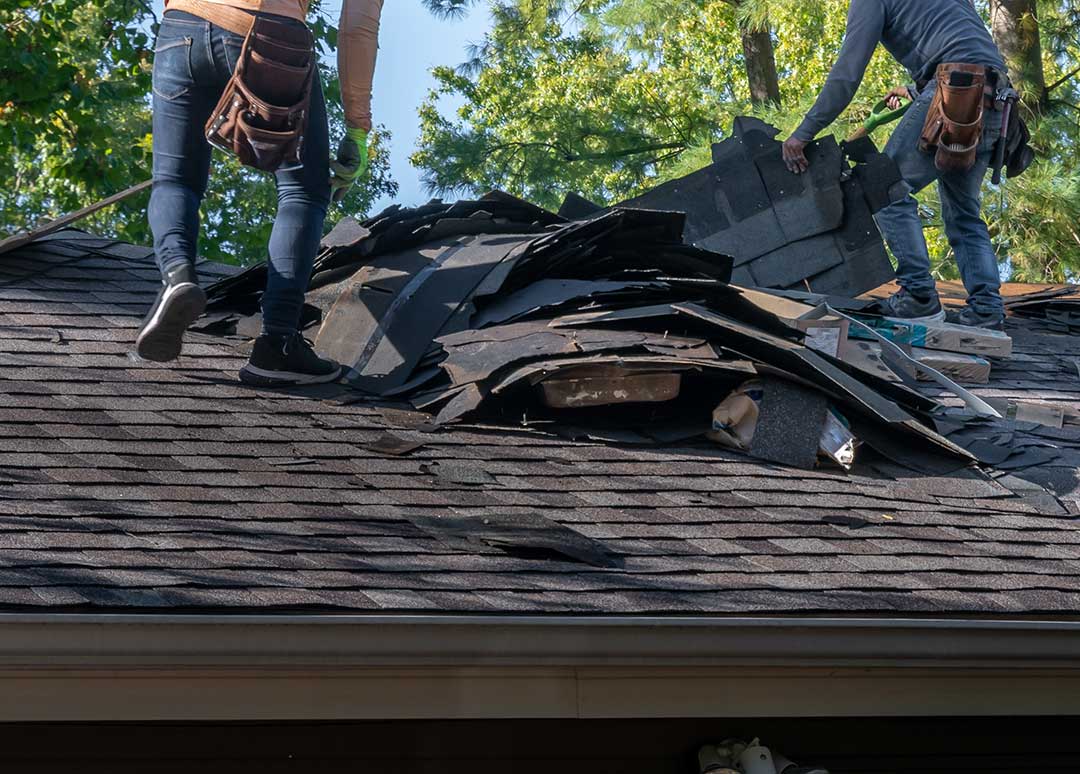
When matching older, weathered roofs, perfection is rarely possible, but these small efforts can minimize contrast.
Which Common Mistakes Should Be Avoided?
Many residents accidentally choose a match based only on indoor lighting or small samples, which can lead to surprises after installation. Here are pitfalls to avoid:
- Relying solely on manufacturer names—names don’t guarantee a true color match between production years.
- Overlooking texture or thickness—profile mismatches can be as obvious as color differences.
- Choosing replacements just from phone photos—phone cameras often distort color more than expected.
- Ignoring roof orientation—north-facing slopes weather differently than south- or west-facing sections.
Test shingle samples in conditions that reflect everyday appearance, not just on a table or inside under artificial light.
How Does Weathering Affect Color Matching Over Time?
In a climate like Hudson’s, even factory-matched shingles fade and change tone within a few years. Sun-exposed slopes, repeated freeze-thaw, moss, and debris buildup all contribute unique aging patterns on each roof. For homeowners replacing a small patch, expect the new shingles to stand out at first; by the following year’s end, the color difference generally softens.
If the goal is a seamless look, consider less conspicuous repair locations or do several small patches in different sections so there’s no one focal mismatch.
