
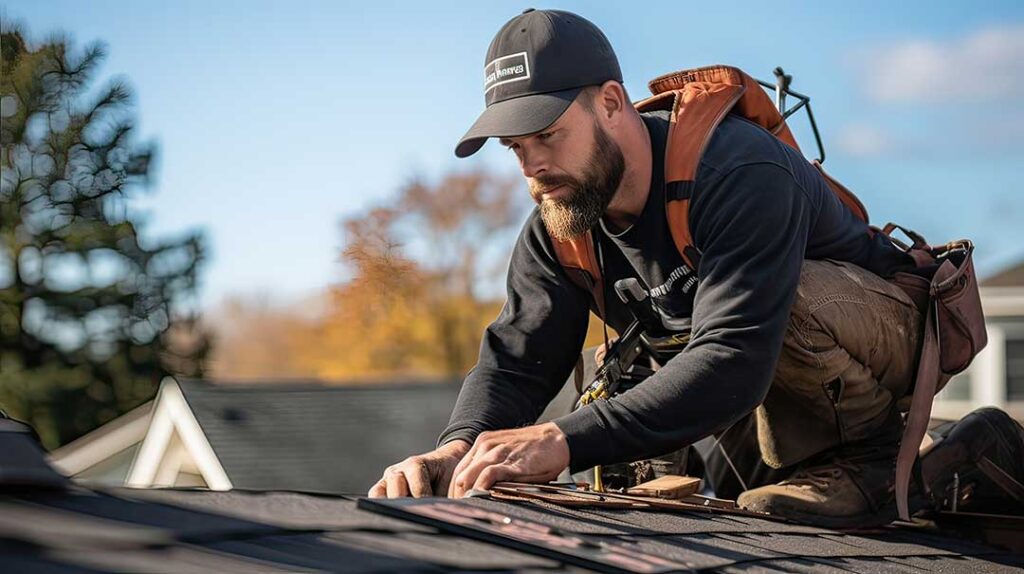
A cool roof is designed to reflect more sunlight and absorb less heat than a conventional dark roof. For households in Hudson, NY, that can mean a cooler attic, less strain on air-conditioning equipment, and improved comfort during sunny summer weather—but the benefits depend on the roof design, insulation, ventilation, and building use.
What makes a roof “cool”?
A cool roof is not defined only by its color. Its performance depends mainly on two characteristics:
- Solar reflectance: how much sunlight the roof reflects instead of absorbing.
- Thermal emittance: how efficiently the roof releases the heat it does absorb.
Light-colored roofing often reflects more sunlight, but some darker roofing products are also engineered with reflective materials. Roofing products may include reflective shingles, coated metal, single-ply membranes, tiles, or other systems designed to limit heat absorption. ENERGY STAR explains that cool roofing can reduce heat transfer into a building by reflecting sunlight and releasing absorbed heat more effectively. ([energystar.gov](https://www.energystar.gov/products/cool-roofs?utm_source=openai))
The term does not necessarily mean a roof will feel cold. It means the roof surface and the building below it may become less hot than they would under a less reflective roof exposed to the same sun.
How can a cool roof help a home?
The most noticeable benefit is often reduced heat entering the upper part of the house. On a sunny summer afternoon, a roof with high solar absorption can transfer substantial heat through the roof deck into the attic. A more reflective surface can limit that heat gain.
Potential benefits include:
- A cooler attic and upper-floor rooms
- Less frequent or shorter air-conditioning cycles
- Lower peak electricity demand during hot afternoons
- Improved comfort in rooms directly beneath the roof
- Reduced temperature stress on some roofing materials
- Less heat released into the surrounding neighborhood
The energy savings are not identical for every home. A well-insulated, well-shaded house may see a smaller change than a home with limited attic insulation, a dark roof, large sun exposure, and air-conditioned upper rooms. The U.S. Department of Energy notes that cool roofs can lower indoor temperatures by reflecting sunlight and reducing heat absorption. ([energy.gov](https://www.energy.gov/sites/default/files/2021-08/ES-CoolRoofs_080921.pdf?utm_source=openai))
Are cool roofs useful in Hudson’s four-season climate?
Yes, but the advantages are usually more seasonal and situation-dependent than they are in very hot climates. Cool roofs generally provide the greatest energy savings in places with long, hot cooling seasons. ENERGY STAR cautions that the savings can be smaller in cooler climates or in buildings that use little air conditioning. ([energystar.gov](https://www.energystar.gov/products/cool-roofs?utm_source=openai))
Hudson has warm, sunny periods as well as cold winters, snow, wind, and repeated freeze-thaw cycles. That means a roof should not be selected for reflectivity alone. Winter heat loss is controlled more directly by insulation, air sealing, attic-floor detailing, and proper ventilation.
A reflective roof does not automatically make a home colder in winter in a meaningful way. Most winter heat loss moves from the conditioned interior through weak points in the building envelope. Improving attic insulation and sealing air leaks usually matters more for winter performance than choosing a darker or lighter roof surface.
Can a cool roof lower energy bills?
It can, especially when the building would otherwise become overheated during sunny weather. However, the reduction may be modest in a home with limited air-conditioning use.
The likely effect depends on several factors:
- Roof color, material, and solar exposure
- Attic insulation levels
- Whether the attic is vented or conditioned
- Ceiling height and the location of living spaces
- Tree shade and nearby structures
- Air-conditioning efficiency
- Household cooling habits
- Roof slope and overall roof area
A cool roof should be viewed as one part of a larger energy strategy rather than a substitute for insulation. The Environmental Protection Agency specifically identifies insulation and air sealing as important companions to cool-roof measures. ([epa.gov](https://www.epa.gov/heatislands/using-cool-roofs-reduce-heat-islands?utm_source=openai))
For example, replacing a dark roof while leaving an under-insulated attic may produce less benefit than expected. In some homes, adding insulation and correcting air leakage can provide a more noticeable improvement in both summer comfort and winter heating performance.
Does a cool roof last longer?
A reflective roof may experience less extreme surface heating and cooling, which can reduce thermal stress. Rapid temperature changes can contribute to expansion and contraction in roofing materials. ENERGY STAR identifies reduced thermal shock as a possible durability benefit of qualifying reflective roofing products. ([energystar.gov](https://www.energystar.gov/ia/partners/manuf_res/rooffactsheet.pdf?utm_source=openai))
That does not mean every cool roof will outlast every conventional roof. Installation quality, drainage, flashing, ventilation, material quality, snow and ice exposure, foot traffic, and maintenance remain major factors.
In a four-season area, moisture management is especially important. A reflective surface cannot compensate for trapped moisture, poor flashing, blocked drainage, or inadequate detailing around chimneys, skylights, valleys, and roof edges.
Are there drawbacks to choosing a cool roof?
The main drawback is that the energy benefit may not justify changing a roof that is otherwise in good condition, particularly when the home has little cooling demand. Replacing a functioning roof solely for reflectivity may have a long payback period.
Other considerations include:
- A light-colored roof may not match every home’s appearance or historic character.
- Reflective coatings require compatibility with the underlying roofing material.
- Some coatings may need future recoating or maintenance.
- Surface dirt, biological growth, and weathering can reduce reflectivity.
- A roof that is highly exposed to snow may receive limited winter benefit from reflectivity.
- Reflective materials do not fix poor ventilation, leaks, or inadequate insulation.
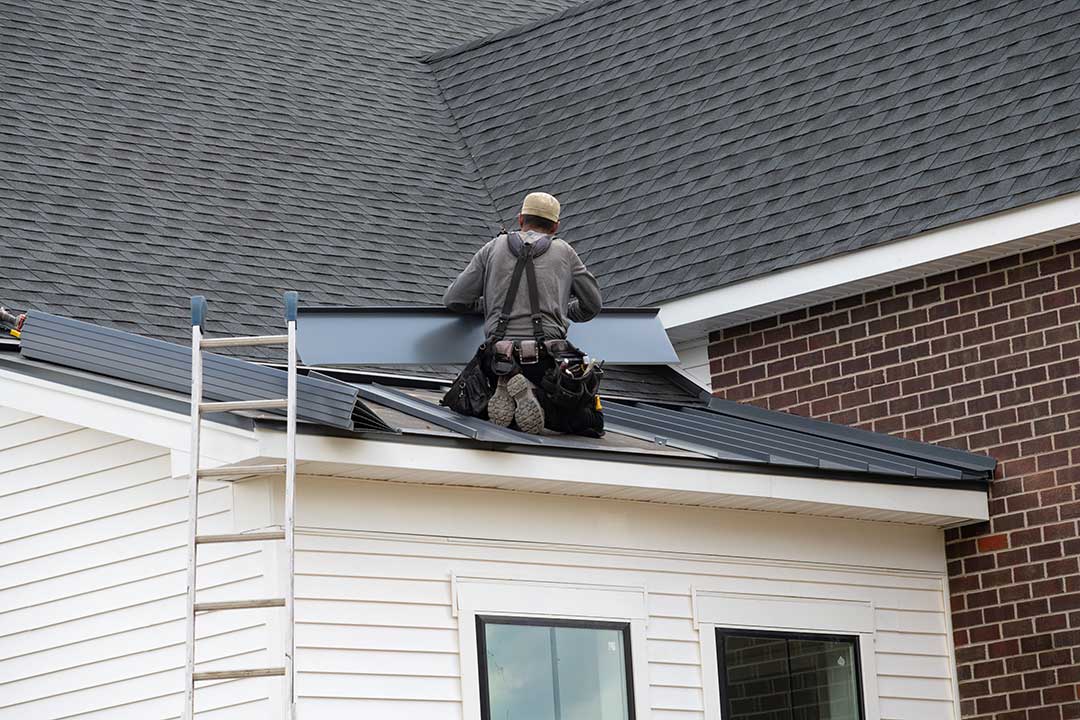
Cool roofs also do not prevent all attic heat buildup. Solar heat can still enter through windows, walls, skylights, and air leaks, so the whole building envelope matters.
Which roofing materials can provide cool-roof performance?
Cool-roof performance can be found in several roofing categories. The right choice depends on roof slope, structural conditions, drainage, appearance, existing materials, and local code requirements.
Examples include:
- Reflective asphalt shingles
- Light-colored or specially coated metal roofing
- White or light-colored membrane systems on low-slope roofs
- Reflective roof coatings designed for compatible surfaces
- Certain tile or composite roofing products
Product labels and technical data are more useful than color names alone. Solar reflectance and thermal emittance ratings provide a clearer basis for comparison. ENERGY STAR and the Cool Roof Rating Council use standardized performance information for qualifying or rated products. ([energy.gov](https://www.energy.gov/cmei/femp/purchasing-energy-efficient-cool-roof-products?utm_source=openai))
Do building codes require a cool roof in New York?
Roofing and energy-code requirements can vary according to the building type, roof assembly, project scope, and code edition in effect. New York periodically updates its Uniform Code and Energy Conservation Construction Code, so requirements should be checked for the specific project rather than assumed from an older roofing guide. The state has adopted updated 2025 code provisions, with some provisions subject to legal and implementation changes. ([dos.ny.gov](https://dos.ny.gov/division-building-standards-and-codes-frequently-asked-questions?utm_source=openai))
For an ordinary roof replacement, the key questions may include whether the work changes the roof assembly, insulation, ventilation, or structural components. A local permit office or qualified code professional may be necessary when the project involves substantial alteration, a low-slope commercial roof, an addition, or a change in building use.
What should homeowners evaluate before choosing one?
A practical evaluation begins with the existing building, not with roof color. Consider:
- How much direct sun reaches the roof
- Whether upper rooms become uncomfortably hot
- Current attic insulation and air leakage
- How often air conditioning is used
- Roof age and remaining service life
- Drainage, flashing, and ventilation conditions
- Snow, ice, wind, and moisture exposure
- Appearance requirements for the home or neighborhood
For many households, the most balanced approach is to coordinate roof reflectivity with adequate insulation, careful air sealing, proper ventilation, and durable water-shedding details. A cool roof can improve summer performance, but its value is greatest when it is part of a sound roofing and building-envelope design.
