
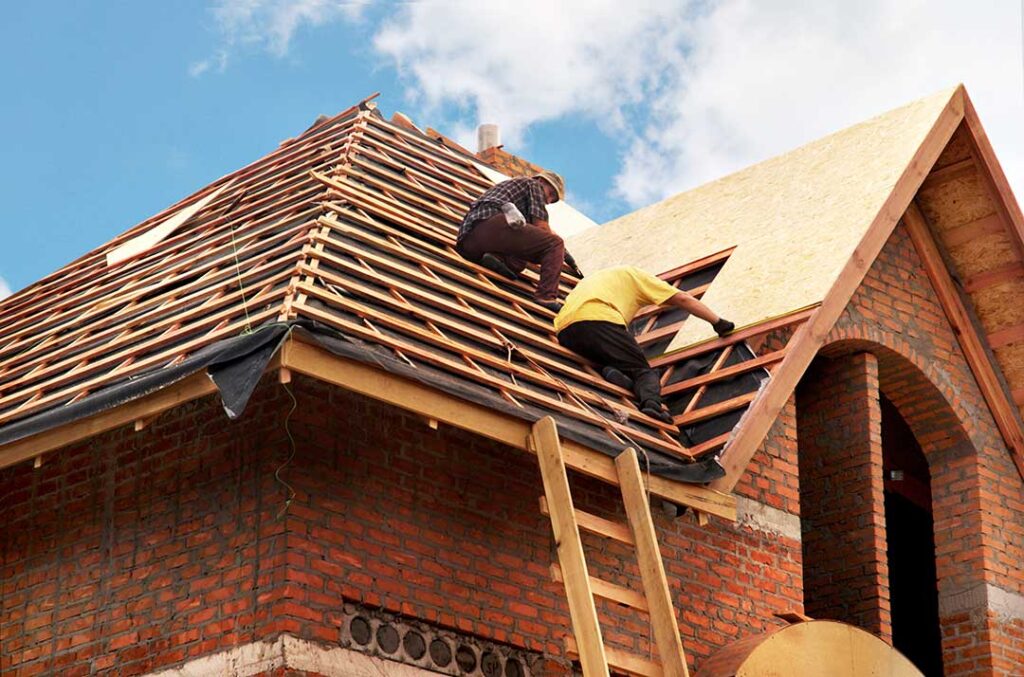
Why Should Residents in Hudson, NY Protect Their Roof During Renovations?
Protecting the roof during any home renovation is crucial because roofing systems are especially vulnerable to accidental damage, debris, and water intrusion when construction is underway. In Hudson, NY, seasonal weather, mature trees, and varying home ages add unique risks, making it even more important for area households to be proactive.
Renovating a kitchen, adding a dormer, or updating siding can expose your roof to falling tools, walking traffic, or open sections—any of which can lead to costly repairs or premature roof failure. Simple protective steps can prevent leaks, shingle damage, and insulation issues before they start.
What Hazards Threaten Roofs During Renovations?
Renovation work can unintentionally harm roofing in several ways:
- Heavy foot traffic can dislodge shingles or crush roofing granules, especially on asphalt roofs common in historic Hudson neighborhoods.
- Construction debris, dropped tools, or moved ladders may puncture or crack roofing surfaces.
- Dust, sawdust, or paint overspray can clog gutters and downspouts, causing water backups and ice damming, particularly after autumn leaf fall in the Hudson area.
- Temporary roof penetrations (for venting or additions) increase the risk of water infiltration, especially if a sudden rainstorm hits.
Knowing which parts of the roof may be affected helps prioritize protection before renovation work begins.
How Can Pre-Renovation Planning Help?
The most effective way to shield your roof is through advance preparation. Identify which parts of the roof are most at risk—such as areas directly under scaffolding, near dumpsters, or restructured dormers—and ensure plans include protective barriers.
Discuss the renovation scope with everyone involved:
- Will workers need roof access?
- Are materials being moved up or down from the roof?
- Will any old chimneys or vents be removed or altered?
Even minor remodeling might require moving equipment near the edge or on walkways, so it's wise not to assume the roof will be untouched.
What Physical Protections Should Be Used?
Physical barriers provide an essential first line of defense:
- Tarps or Roof Protection Mats: Place heavy-duty tarps, plywood sheets, or roof walkways over high-traffic roof zones. These prevent shingles from being punctured or scuffed.
- Edge Guardrails: Set up temporary railings or netting along exposed roof edges to prevent tools and debris from sliding off or striking delicate eaves.
- Gutter Covers: Shield gutters with mesh or boards to block sawdust, nails, and leaves from clogging drainage channels. This helps prevent water back-up, which is especially important during fall in the Hudson area.
- Seal Temporary Openings: Use waterproof, UV-resistant materials to seal any temporary roof penetrations, and schedule permanent repairs or additions for dry weather windows when possible.
These solutions are especially important on older homes prevalent in Hudson, where historic or steeply pitched roofs can suffer more lasting damage from minor mistakes.
How Can Weather in Hudson Affect Roof Protection During Renovation?
Hudson's climate, with its snowy winters, rainy springs, and leafy autumns, means weather can change quickly, impacting exposed roofing. Even during summer, pop-up storms or wind gusts present real risks.
- Monitor short-term forecasts. If a strong storm is expected, prioritize roof protection or consider delaying certain work steps if possible.
- In winter, protect against ice and snow loading by using sturdy, securely fastened tarps that won’t blow off or trap moisture against the roof.
- In spring and fall, pay extra attention to gutters and downspouts to prevent debris-related blockages; water flow is especially important during these months.
- Schedule planned penetrations—such as vent, chimney, or skylight modifications—during stretches of fair weather to reduce exposure to sudden rain.
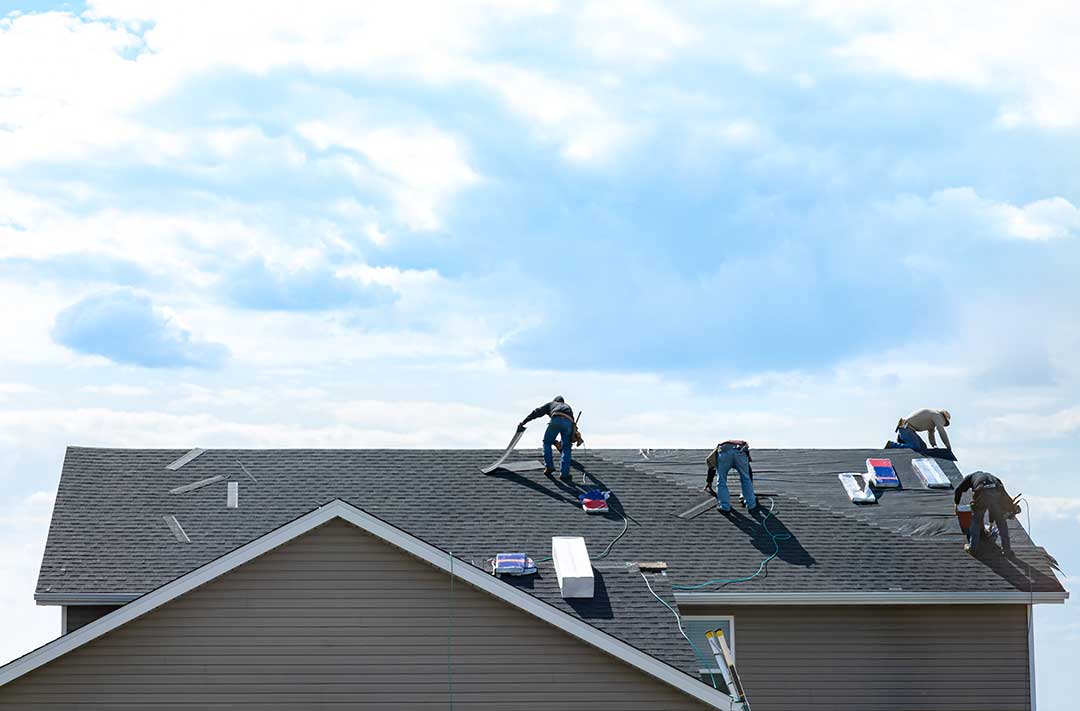
By matching protective measures to seasonal risks, local residents can avoid preventable leaks and water intrusion that are all too common during renovation seasons.
What Are Common Mistakes to Avoid When Renovating Near the Roof?
Many roofing issues from renovations stem from overlooked, preventable errors:
- Allowing untrained workers or family to walk on the roof: Even a single misstep can damage shingles, flashing, or underlayment.
- Neglecting to clear the roof daily: Failing to remove tools, scrap material, or debris at day’s end can lead to punctures, dents, or moisture traps, especially after rain or dew.
- Ignoring minor shingle disturbances: A few loosened granules or slightly lifted edges might seem trivial, but can result in leaks or reduced lifespan if not addressed.
- Leaving penetrations open overnight: Temporary vents or skylight holes should always be taped, tarped, or covered, especially in unpredictable local weather.
- Not coordinating between crews: Miscommunication can lead to missed steps in protecting or resealing roof sections.
Awareness of these common oversights helps Hudson residents work with any project team and spot risks before they grow.
What Steps Should Be Taken After Renovation Is Complete?
A post-renovation roof inspection and cleanup are critical for long-term roof health:
- Check all parts of the roof for visible signs of damage, including dented flashing, missing granules, or torn shingles.
- Clear gutters, valleys, and downspouts of all loose construction debris.
- Examine flashing around chimneys, vents, and other protrusions for fresh sealant or loose materials. New gaps or cracks can allow water in months later.
- Remove or uncover any temporary coverings and confirm all permanent roof repairs are finished and weather-tight.
Catching minor issues immediately reduces the likelihood of water problems or larger repair bills in the months or years ahead, an especially valuable habit for preserving older homes in the Hudson community.
