
What Roofing Materials Can Be Recycled in Hudson, NY?
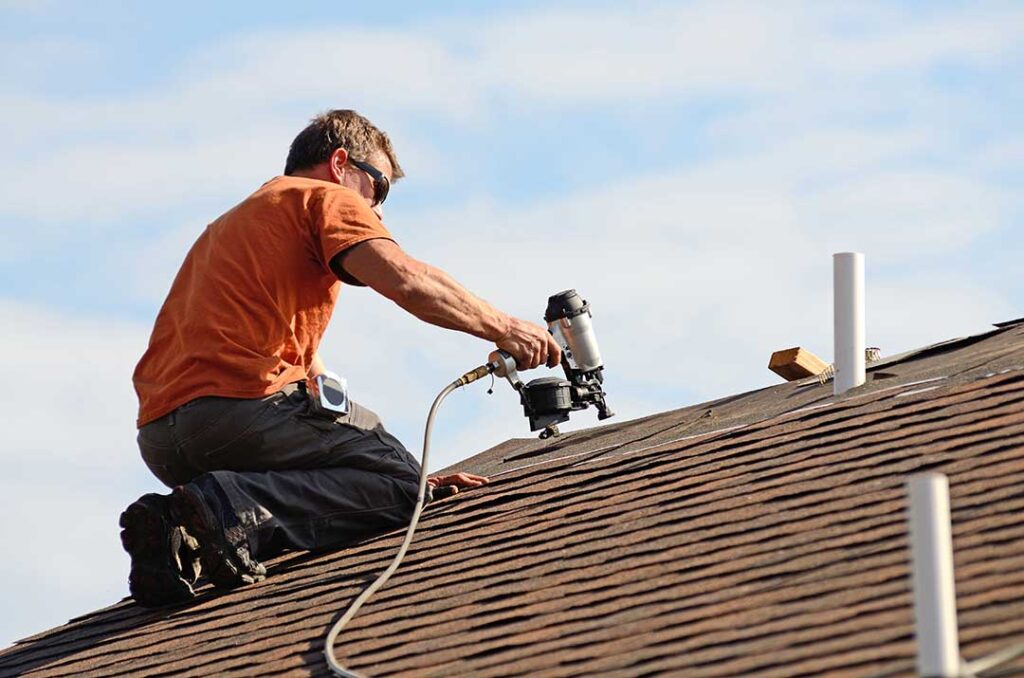
Many older roofs in Hudson include asphalt shingles, metal, slate, wood, or clay tile. Residents often wonder if these materials can be recycled instead of ending up in local landfills. Most roof components are recoverable in some form, but recycling methods and options depend on the material.
- Asphalt shingles: The most common in the area, especially on single-family homes. Shingles are often processed into pavement patch or new shingles. Broken shingles should be free of nails and major debris.
- Metal panels or flashing: Metal roofing has a high scrap value. It can typically be brought to local scrap yards or collected during municipal recycling drives.
- Slate and clay tiles: Natural slate can sometimes be reused on other buildings or ground for landscaping. Cracked or broken tiles might be accepted at construction and demolition (C&D) recycling centers.
- Wood shakes or shingles: Untreated wood may be composted or mulched. Treated wood requires specialized disposal due to chemicals.
Each city, including Hudson, maintains its own guidelines for construction waste, so checking current municipal regulations is important before removing material.
How Should Old Roofing Materials Be Collected and Prepared?
Homeowners must separate salvageable materials and keep recycling streams uncontaminated. Preparation usually starts when materials come off the roof.
- Sort by type as soon as they are removed. Keeping asphalt, metal, and wood separate increases recycling potential.
- Remove nails, underlayment, and flashing from shingles and tiles before stacking for recycling. Mixed materials are less likely to be accepted.
- Use heavy-duty tarps or containers while removing the roof to manage waste efficiently. Some Hudson residents use dumpsters, but check if recycling centers need materials bagged or loose.
- Keep recyclable roofing dry if possible. Wet asphalt shingles freeze together in winter, making them hard to process, especially in cold, damp months common in the city.
Where Can Residents in Hudson, NY Take Roofing Materials for Recycling?
Hudson-area options will vary based on available municipal and private facilities. There is no single drop-off center dedicated exclusively to roofing. However, residents have several potential routes:
- The city transfer station or waste department may accept separated construction debris, including certain types of shingles and metals, but it’s best to call ahead for current list of accepted items.
- Some regional C&D recycling facilities process large amounts of roofing debris from local construction sites. Residents doing major projects may be allowed to drop off separated loads; smaller quantities might be restricted.
- Scrap metal collectors frequently accept metal roofing, gutters, and flashing. Check city recycling event calendars for metal collection days.
- For slate, brick, or tile, inquiry at landscape supply lots or material reuse organizations. These are sometimes repurposed for garden paths or patios.
Rules change periodically, especially regarding asphalt shingle recycling. Always verify dates, hours, and material restrictions before arriving with a load. Disposing mixed waste or contaminated shingles may be turned away or incur extra costs.
Can Roofing Nails and Fasteners Be Recycled?
In most cases, fasteners like nails and screws are small enough that they can be included with scrap metal recycling. Strong magnets help recover nails during the cleanup phase.
- After roof removal, sweep and magnetically scan outdoor areas to collect loose nails.
- Gather nails and hardware in a sturdy container before including them in a metal recycling bin.
This step prevents environmental hazards and protects wildlife and pets in Hudson neighborhoods.
What About Hazardous Roofing Materials Like Asbestos?
Older homes in Hudson, especially those built before the mid-1980s, may have roofing materials containing asbestos or other hazardous substances. These should never be mixed with typical recycling waste, as improper handling poses health risks.
- If the roof is suspected to be asbestos-based, testing should be done by a certified environmental assessor.
- Asbestos-containing materials are subject to strict disposal rules and must be transported to licensed hazardous waste facilities.
Attempting to recycle or dispose of asbestos through regular channels is prohibited and can result in penalties.
Are There Local Reuse Opportunities for Old Roofing?
Beyond recycling, some Hudson homeowners find ways to repurpose or donate usable roofing materials:
- Undamaged slate, clay tile, or metal can sometimes be reused in garden beds, pathways, or small building projects at home.
- Intact wood shakes can be cut for crafts, firewood (if untreated), or garden edging.
- Clean, sorted leftovers might be accepted by local building material exchanges, though this is less common.
Careful sorting and gentle removal help maximize what might be reused by others in the community, reducing waste and supporting local sustainability.
What Should Residents Avoid When Recycling Roofing Materials?
Even well-intentioned efforts can go awry if best practices are overlooked. Common missteps include:
- Mixing contaminated or painted material with recyclables, which can cause entire loads to be rejected.
- Placing roofing in household recycling bins—the city’s regular curbside programs rarely accept these items.
- Disposing of large quantities during city sanitation restriction periods, leading to fines or unwanted curbside piles.
- Forgetting to check requirements for proof of residency or item limits at certain recycling events.
Staying aware of city guidelines will lead to better results and fewer hassles when recycling roofing debris.
How Does Seasonality and Local Climate Affect Roofing Material Recycling?
Hudson’s climate—marked by wet springs, hot summers, and snowy winters—can affect the recyclability of roofing materials.
- Wet conditions can make asphalt shingles heavy and difficult to separate, slowing recycling operations.
- Snow or ice accumulation on roofing debris may render dumpster loads temporarily unprocessable.
- Local transfer stations may have reduced hours or close entirely during winter storms; plan accordingly.
Residents who need to store materials before recycling should keep them covered and protected from the elements until they can be delivered.
